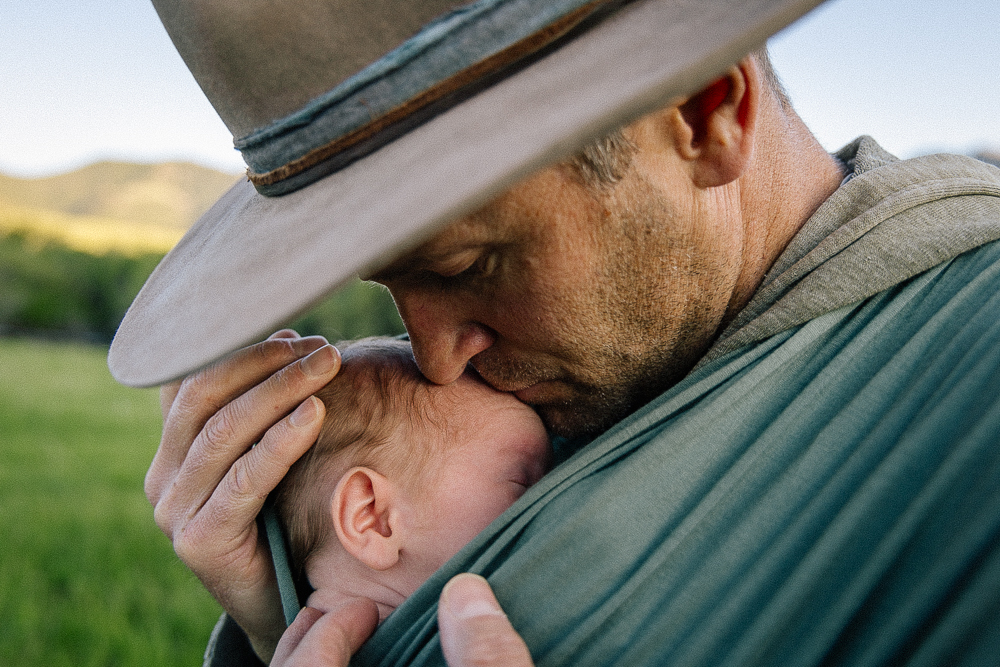
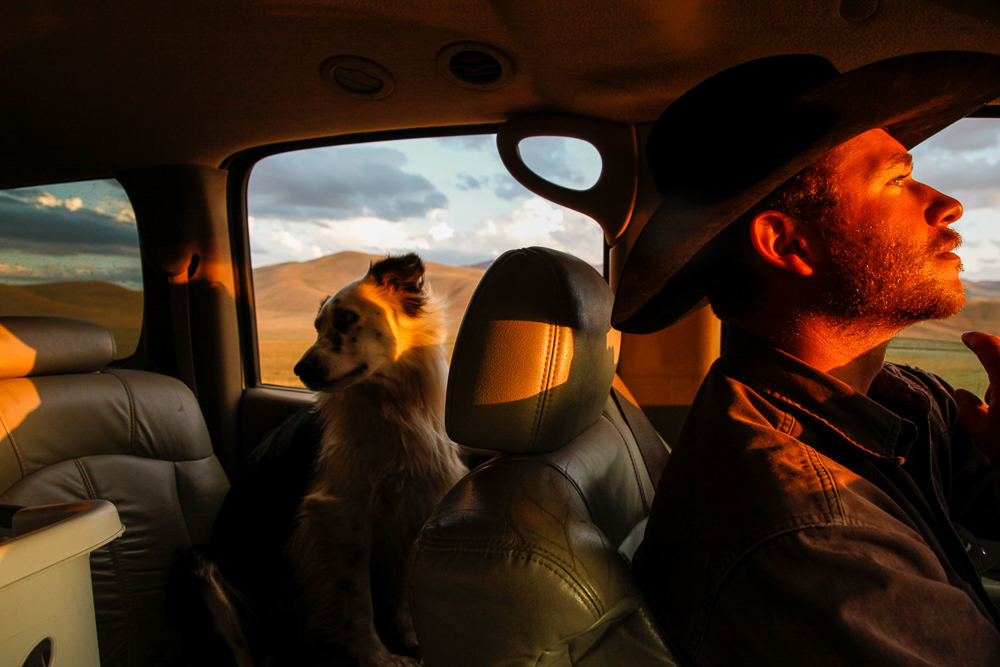
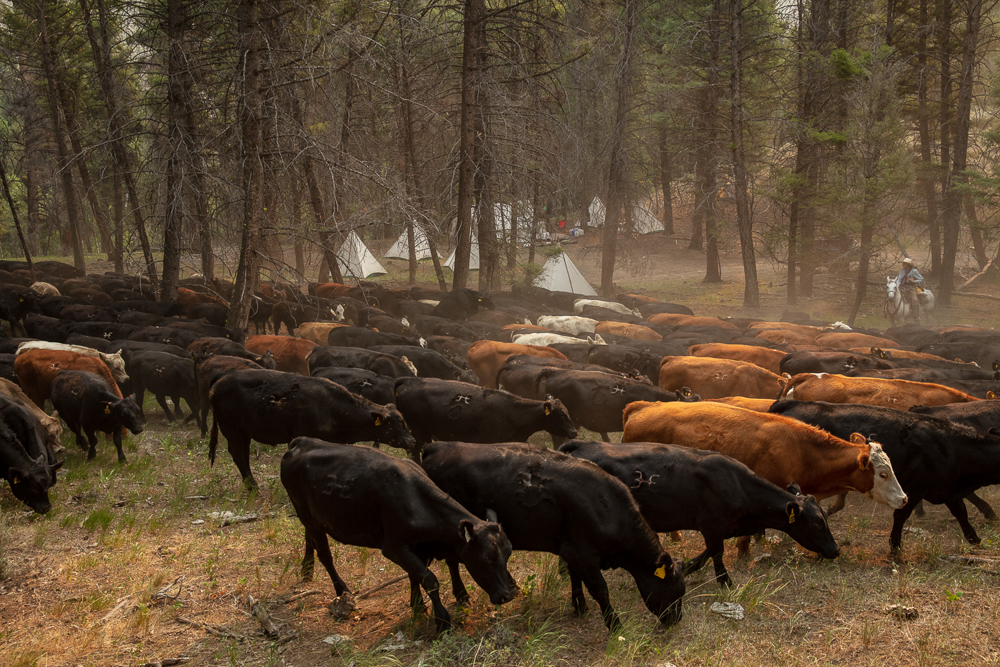
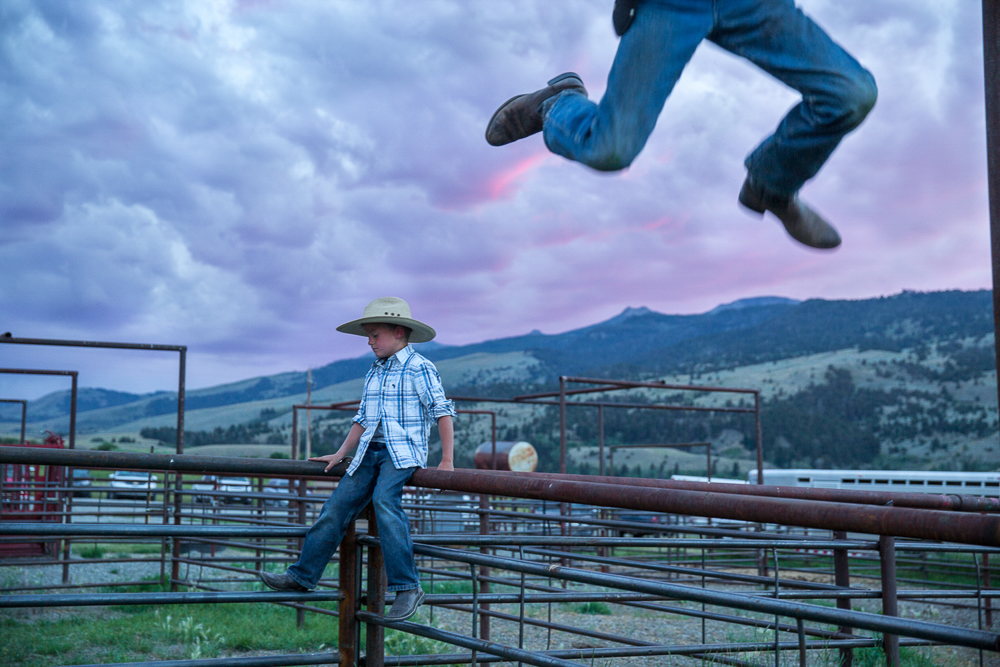
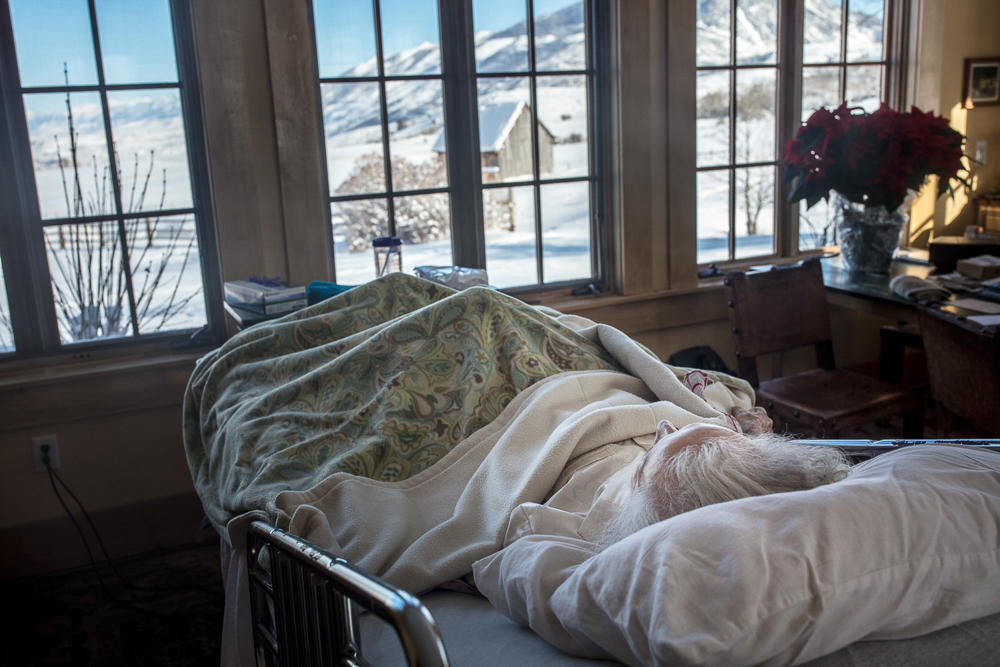
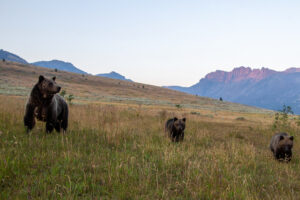
This is a personal story about the ways western landscapes shape people and people shape the land. More than ever the fate of the American West lies in the extractive hands of industries, tourism, development and big money. The family ranch, and the lifestyle that defines it, is increasingly endangered, along with many of the iconic species that live alongside them.
In the Greater Yellowstone region we meet my family, the Andersons, and other ranchers whose kinship with the land and animals prevails, as each generation holds on to these places we call home.
Throughout the American West many agricultural communities have struggled to maintain a livelihood on the land. This is in large part due to the onslaught of challenges affecting rural America; living at the mercy of major global forces such as fluctuating commodity prices, climate change, and land development, all linked to a history of extractive practices. This has disrupted many rural people’s relationship with their land. The consolidation of agriculture in America into big corporations has made it harder for small farms and ranches to make a go of it. Today, when land goes up for sale in a place like Tom Miner Basin, Montana, only the ultra-wealthy can afford it, or the ecosystem becomes furthered fractured through subdivision. These kinds of changes alter the makeup and dynamics of the agricultural communities and open spaces where wildlife take refuge.
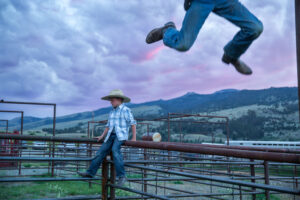
Over the course of 12 years I have been documenting family ranches across the West. As part of the Anderson family, and now with a child of my own, I remain committed to photographing this way of life, and what it means to grow up in this dynamic and vulnerable place.