All posts by Photolucida Administrator

Portfolio Review Prep: You Can Do This!

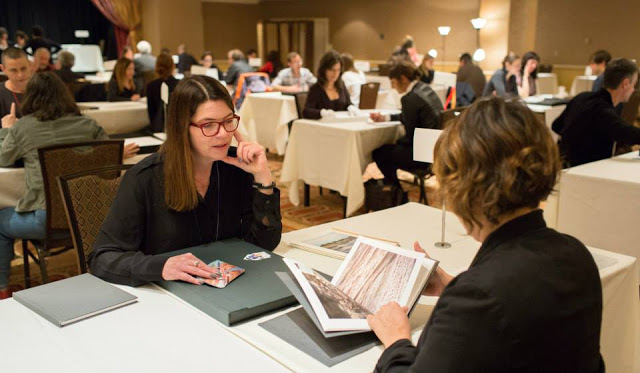
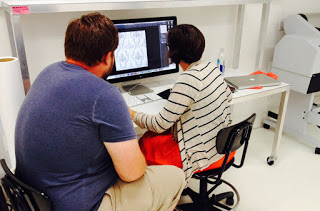
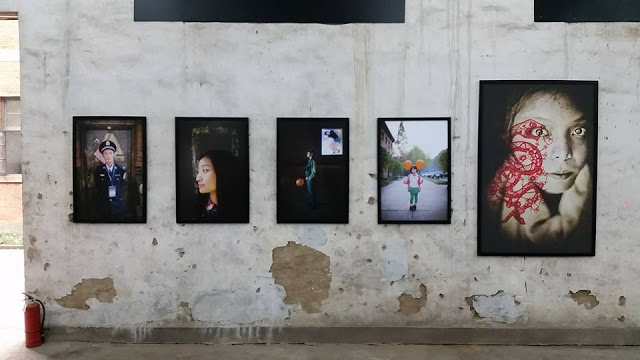
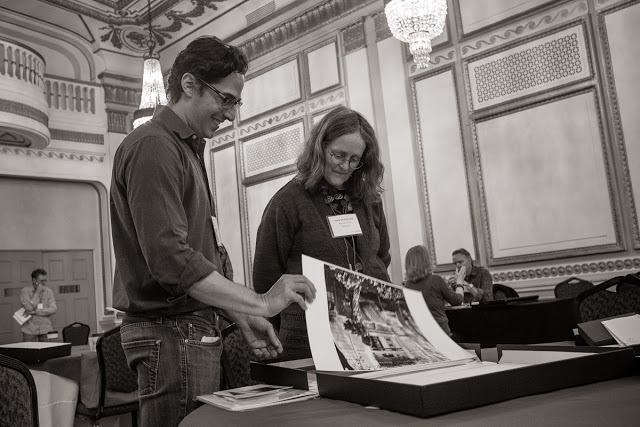
2015 Portfolio Review, image by John Stewart

“Attending a Portfolio Reviews event is perhaps the most efficient investment you can make in marketing your work. Sitting face-to-face with industry professionals who you would not usually find accessible can be priceless – they are there to specifically offer opportunities and/or feedback in a supportive environment. Portfolio Reviews are an intense experience, both for the reviewers and photographers. Professional and personal relationships are forged, networks are strengthened, and the immersion in all things photographic, around the clock, can be a cathartic, inspirational adventure!”
-Laura Moya, Photolucida Executive Director

Photolucida will host a special, one-day portfolio review event during Portland Photo Month this April. The Regional Review is geared towards photographers who want to get their feet wet with portfolio reviews before diving into a multi-day, full-immersion experience like our biennial event. It’s a great opportunity to practice building a portfolio and talking about your work. Attending photographers will get focused individual guidance from photography professionals in six review sessions throughout the day. There will also be a portfolio walk at Blue Sky Gallery, so photographers have the opportunity to share their work with their peers and the public in a supportive, creative atmosphere. Our goal is for the event to give photographers a helpful dose of direction and a boost of creative confidence.

We know that preparing for a portfolio review event can feel intimidating, so we’ve crafted a one-week online course to help photographers prepare for events like this. Portfolio Review Boot Camp is an in-depth look at the world of photography portfolio reviews, from the inside out. Photolucida has been running one of the most respected review events in the country for fifteen years. We thought it would be helpful to put all our portfolio review know-how in one helpful spot. The course includes essays, audio lectures, and interviews with seasoned review professionals from the museum, gallery, publishing, and media worlds. Students will get direct feedback and advice on review preparation details throughout the course. We hope these two offerings will provide education, support, and inspiration for photographers who are looking to take their work to the next level.

> Registration is open now for Portfolio Review Boot Camp. Class runs March 30th – April 6th. Learn more and register here.

> Mark your calendars: registration for the Regional Reviews will open on March 8th!

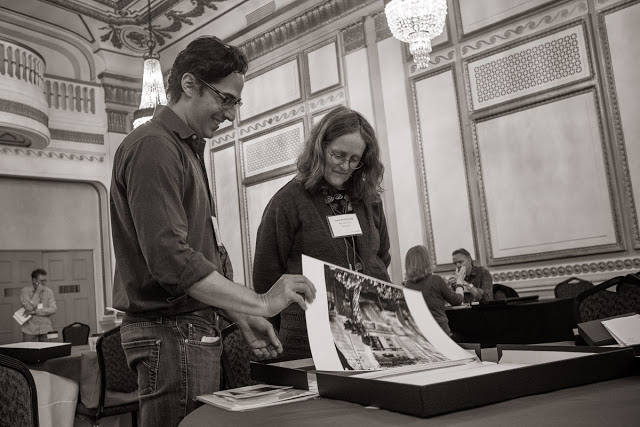
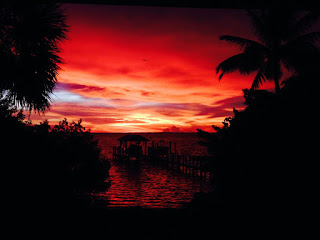
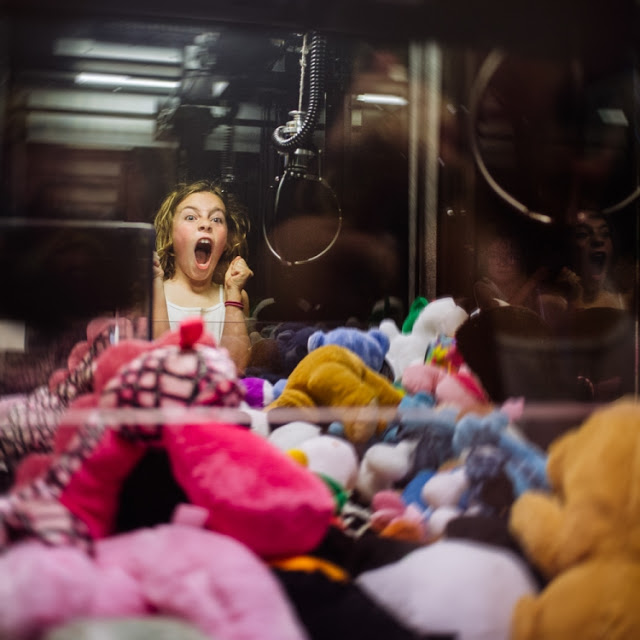
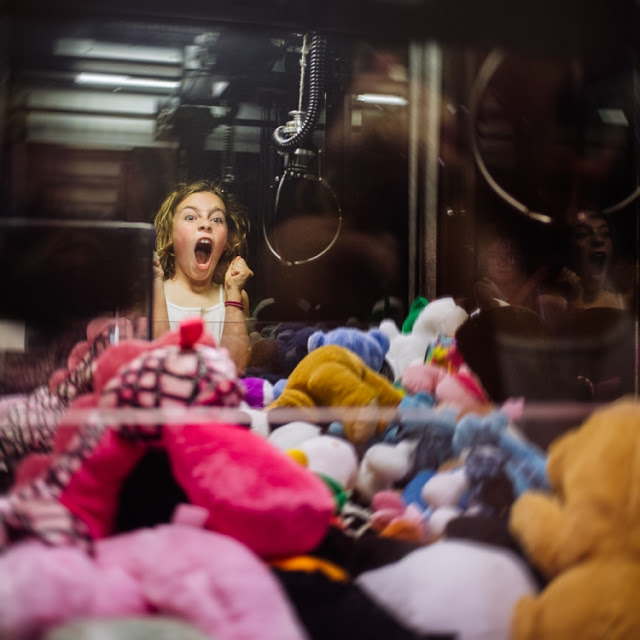
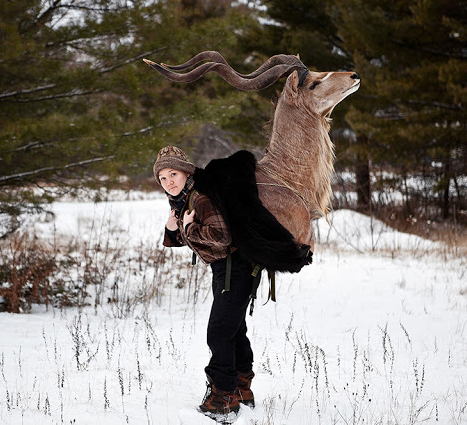
2015 Portfolio Review, image by Stan Raucher

Call for Entries!

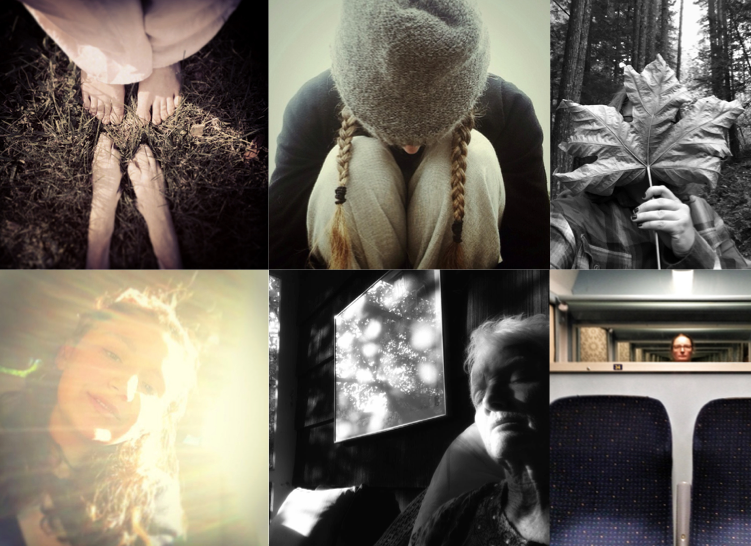
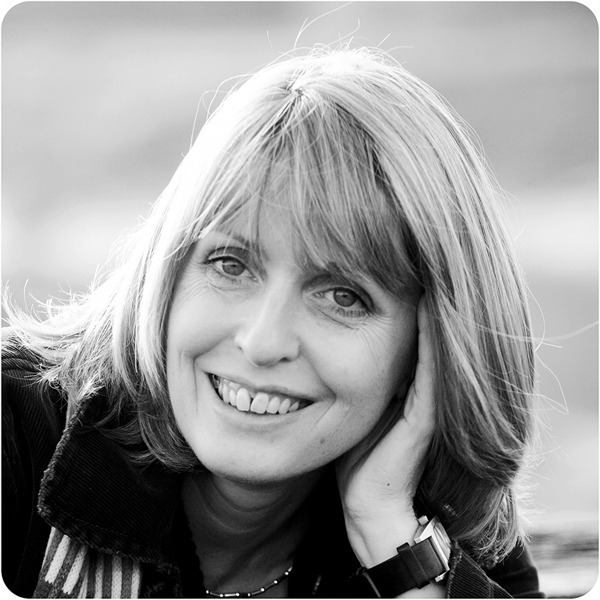
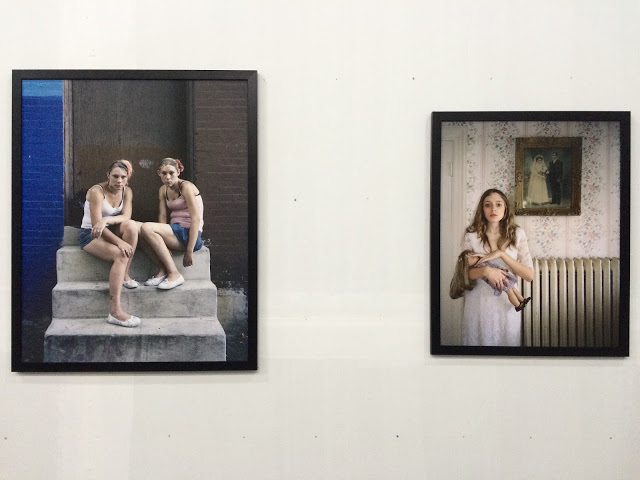
Images by Heather Binns, Seren Hopkins, Patricia Lay-Dorsey, Heidi Lender, Bill Purcell

The Elevated Selfie: Beyond the Bathroom Mirror

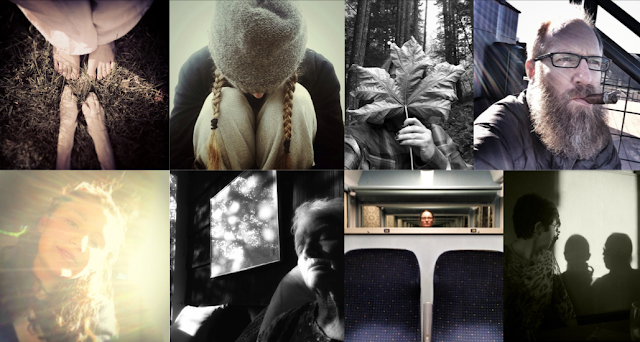
The selfie: the ultimate form of modern self expression. We’re looking for images that transcend the expected – bold, beautiful, artistic images that go beyond the blurry bathroom grab shot. At their best, selfies allow us to define who we are as people and to give voice to compelling personal narratives. We’re on the hunt for images that go beyond narcissism to get at something a little bit deeper. Who are you? How do you want to present yourself to the world? What stories do you have to tell?

You have about two months until the deadline. We encourage you to use this call for entries as the impetus to create fresh new work (of course, older images are also heartily welcomed). Consider it a creative assignment – an invitation to explore new territory with your work. Go – create, express your vision, expand your boundaries, transcend the ordinary. We want to see your fabulous selfies!

The entry deadline is Tuesday, March 15th at noon Pacific Time. Selected photographers will have their work displayed at LightBox Photographic Gallery (May 2016) and the Griffin Museum of Photography (July 2016).

Learn more & read entry details.

Amanda Harman Interview!

CM15 Solo Show Winner Amanda Harman

Photolucida: Tell us a little bit about your photography background and how you came to choose photography as your life’s work. 

Amanda Harman: I was given a 35mm camera for my 18th birthday, and shortly after that I headed off to do a foundation course in art and design, where I had my first encounter with the darkroom. Like many people, I was captivated by the process while seeing that latent image emerge under the red light. I quickly realized that photography was a medium that really intrigued me and I joined the BA Photography course at West Surrey College of Art and Design.

The rest is a long story… it can sound like a well-planned journey, but it is in fact a meandering path through various jobs and opportunities that are connected by an interest in photography and a desire to work in the field. I have worked on commissions, residencies and projects for galleries and museums and as a freelance photographer for charities and commercial clients. I am also a lecturer and arts project manager and alongside this have continued to make personal projects. In 1999, after a number of years of lecturing, I joined the MA Photography at London College of Communication. It was inspiring and motivating to be back in a learning environment, working alongside other practitioners and being encouraged and challenged by the course and the tutors.

How would you describe the photography scene in the UK – are you in an urban or rural area?

I live in Bristol, which is a city of around 600,000 people in the southwest of England. There is a very vibrant photography scene here, which has really flourished in the last five years with organizations such as IC Visual Lab putting on events and talks with photographers such as David Goldblatt and Alec Soth. Bristol is home of the PhotoBook Bristol festival which hosts an international lineup of stars from the photo-book world. There is a real sense of community around photography in Bristol, which makes it an inspiring place to live at the moment. I also lecture at UWE, where we have a very active research ethos and lots of visiting speakers as part of the programme, so there is much to be inspired by. The opportunity for critique and feedback from peers and colleagues has also proved invaluable in the development of projects. The students keep me on my toes too!
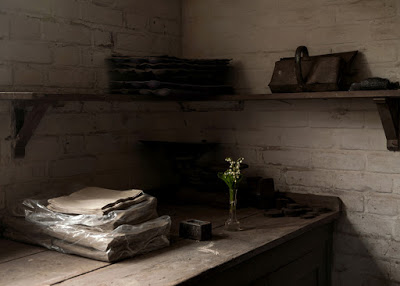
Lily of the Valley in the Potting Shed, Tyntesfield

 Tell us about your ‘Garden Stories, Hidden Labours‘ series. What led you to find Tyntesfield, the country house you took this imagery in? What inspired you to make this a photo project? 

My first encounter with the gardens at Tyntesfield was as a volunteer gardener back in 2012. The previous year I had studied a course in horticulture, out of a love of gardening and the wish to gain a little more botanical knowledge. Once I completed the course, I volunteered to work in the gardens at Tyntesfield, a National Trust property about seven miles from Bristol. I learned a lot from the very experienced gardeners there and at the time this was very much about gardening and not a photography project at all.

I worked in the gardens a day a week for about a year until other work meant I couldn’t keep up my volunteering commitment. Some months later I was drawn back to the gardens, this time with my camera, to start to take photographs. Initially I wanted to explore the ‘behind the scenes’ hard work of the gardeners by making a series of portraits. Whilst I was looking for locations, I started to notice some intriguing ‘accidental’ still lifes of potted plants, tools left lying around, ladders and discarded clothes. I felt photographing these things added to the stories of the people working in the garden, and the more I looked, the more I noticed them; the jacket hanging on one side on the door then the other, the radio moved here and there and the plastic jug always in the same place, plants pruned, wrapped and cut down, fly papers and mouse traps. Over time, more than the portraits, it was the ‘still lifes’ that spoke of the hidden work of the gardeners and the seasonal changes that happened over time.
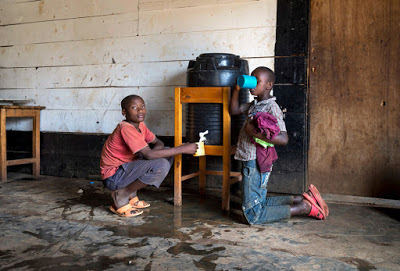

Rwandan Orphans Project, Kigali


It seems like space/environments (both occupied with people and the “ghosts” of people) is of interest to you. Tell us about your trip to Rwanda last year to photograph the schools there. 

I traveled to Rwanda in February 2015 with the charity Friends of Rwandan Rugby to photograph their annual coaching tour. FoRR has been working in the country for the past 10 years, building friendships, trust and reconciliation in schools and communities following the 1994 genocide. My brief was to show the work going on in the schools, and the relationships between the Rwandan and British coaches as they shared and developed coaching skills and the fun and enjoyment experienced by the children.

Whilst there I also undertook a personal project, School Portrait Rwanda; making portraits of the school children that I met, and photographing the school buildings and environments that we visited.  Visiting different schools each day with the coaches gave me the opportunity to speak with the teachers and to engage with the children who were often watching what was going on. My attention would be caught by children occupying certain environments, or carrying their school bags or books. In some instances the portraits would be made quite quickly, at other times I was able to spend some time with the children, like at the Rwandan Orphans Project in Kigali, where the boys were keen to show me round and spend time being photographed in the classrooms and other spaces. Making portraits when you don’t share a language has been a refreshing experience and makes me think about how much of the process can be unspoken. We mainly engaged with eye contact, a smile and a couple of shared greetings. Both curious and shy, I felt that the young people who stood in front of the camera were very poised and wanted to be seen.

In this project, I am interested in making work that looks forward to Rwanda’s future as embodied in these young people, and in picturing the state schooling infrastructure and other agencies that have been set up since the genocide of 1994. This is the beginning of an ongoing project and I am really fortunate to be able to return later this year to develop the project.

What are some of the challenges you’ve encountered/you are encountering on your creative path? Any relevant advice you can share with others?

One of the challenges is always how to balance working to earn a living (whether that be as a freelance photographer, lecturing or working in other areas) and developing personal projects, then finding time to get the work ‘out in the world’. It’s a difficult balance and it means that there are always ebbs and flows in the personal work. I think the other thing that’s important creatively is to have people around you who can critique your work and help you develop it. I am fortunate, as I have a community of fellow lecturers and photographers around me that are really supportive, so the teaching part is time-consuming, but it also means that I am in a creative environment with access to input from colleagues. This hasn’t always been the case, and I think working away alone can be very difficult. Seeking out like-minded folk and finding interesting talks, exhibitions and events to go to is a way to continue to be inspired and motivated.

What’s another interest of yours, outside of photography (something we might be surprised to learn about you)? Might it be gardening? 

I am not sure it would be a complete surprise to learn that I love gardening, and I have an RHS Level 2 certificate in the Principles of Horticulture.

I have also spent a lot of time in rugby clubs over the last 15 years (a surprise even to myself!) and this has led to the inspiration for my next project, on the meeting places for sports and other social pastimes. These clubhouses are again spaces occupied by people, and the “ghosts” of people….

We look forward to having Amanda’s exhibition Garden Stories, Hidden Labours at Blue Sky Gallery here in Portland in April 2016, during Portland Photo Month!

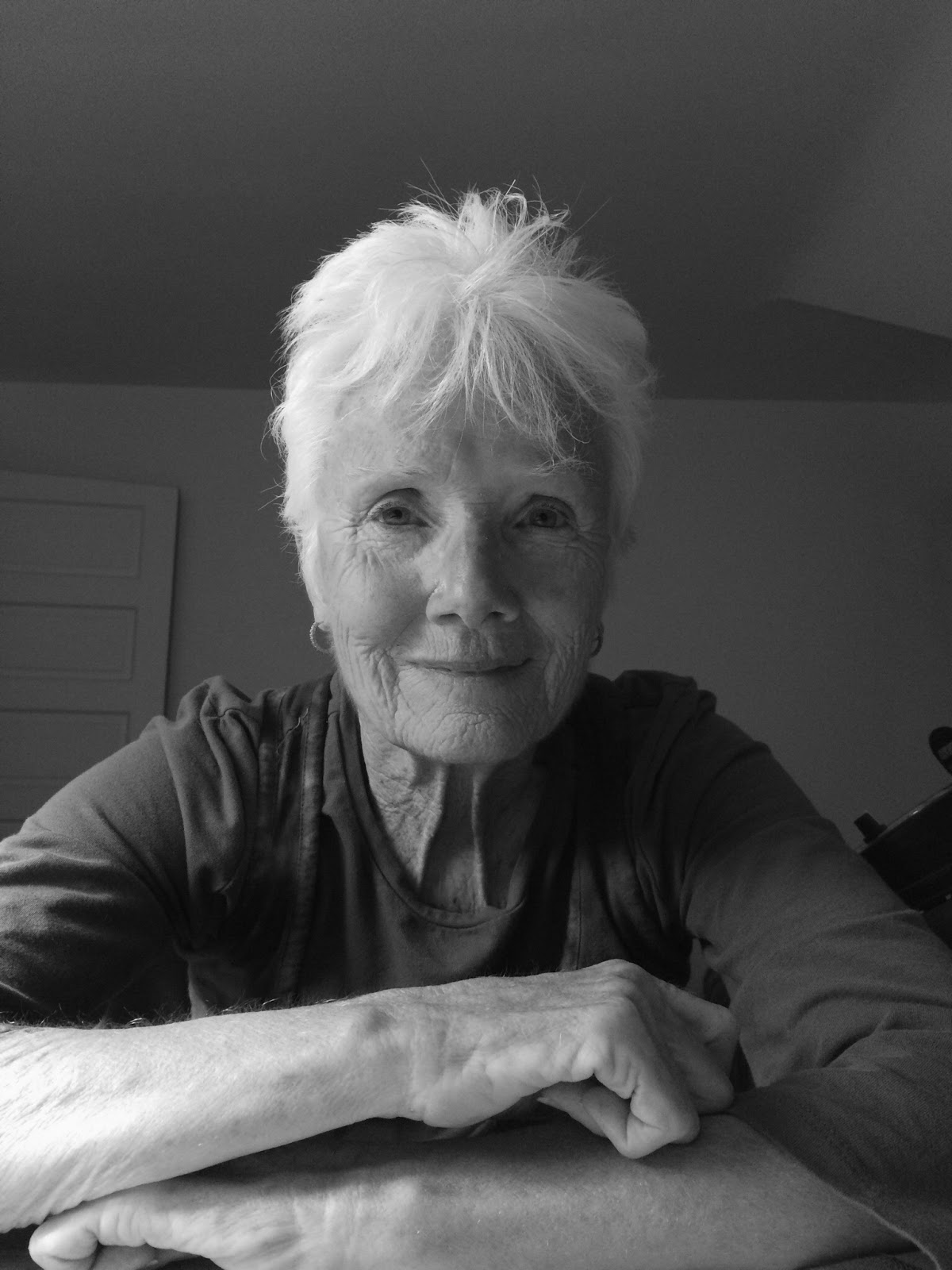
Patricia Lay-Dorsey Interview!
CM15 Residency Award Winner Patricia Lay-Dorsey

Photolucida: Tell us a little bit about your photography background and how you came to choose photography as your life’s work. You had a whole other career first, right?

Patricia Lay-Dorsey:  For me, it started in 1966 with a masters in social work, which led to my volunteering on the pediatric ward of an inner-city Detroit hospital. When I started bringing home drawings I’d done with the kids, my husband saw something in them that inspired him to buy me art supplies. I was soon winning statewide awards for my abstract watercolor paintings but I could barely draw a stick figure. So I went back to school at a local art college, and jumped into the Detroit art scene as an exhibiting painter, sculptor, multimedia and performance artist. I also wrote art reviews, taught classes, and facilitated workshops. Art became my way of dealing with both personal and global issues.

During the first US war against Iraq in 1991, pen-and ink drawings burst forth from me with a raw power that resonated with anti-war activists across the globe. My postcards and drawings under the logo Word Art were sold and published. In 2002, I co-founded Detroit’s chapter of the Raging Grannies. We older women from across the country responded to the war against Iraq by demonstrating in protests and vigils nationally. Our granny costumes and the way we sang our opposition to war using cleverly-written original lyrics set to familiar tunes made quite an impression!

In 2000, I started keeping a blog on which I posted daily entries accompanied by point-and-shoot photos. By 2006, I was tired of words and only wanted to take pictures. So I bought a Canon, took a few fundamental photography classes, and have been passionate about photography ever since. During the past nine years I have found that every chapter of my life – social work, visual art and peace activism – has influenced how I use photography. Each of my projects is undertaken with the intention of cracking open the viewer’s mind and heart to the truth that our different ways of being in the world enrich rather than divide us.

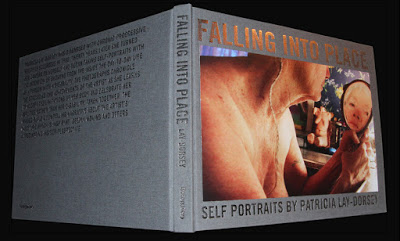
Falling into Place

Tell us about how you are using your book ‘Falling into Place’ as a springboard for discussions about disability, self-image and creativity? 

First let me explain a bit about my book project, Falling Into Place. In 1988, I was diagnosed with chronic progressive multiple sclerosis – I was 46 years old. By 1996, I was using a walker to get around. Four years later, I graduated to an Amigo mobility scooter, which has been my primary mode of transportation for the past 15 years. In 2008, I started taking self-portraits with the intention of showing the day-to-day life of a person with a disability as seen from the inside. In 2013, Falling Into Place was published by Ffotogallery. It has been distributed globally and joins solo exhibitions, online features, print publications and videos in giving voice to my perspective that living with a disability is neither heroic nor pitiful, but simply another way of being in the world.

Since the book was launched, I have had numerous opportunities to give gallery talks, slide presentations, and to facilitate interactive discussions where disabled and non-disabled people can meet and share their stories. Disabled folks say they are finally hearing and seeing their story told as it really is, and non-disabled participants invariably say it has opened their eyes to a more intimate view of what it is like to live with a disability. My favorite presentations are to university students – the openness with which these students share their own stories and listen to mine takes my breath away. In my opinion, there is no better use of photography than this.

Tea for Two

Time.com included you in their ‘Instagram Photographers To Follow In All 50 States’ group. Tell us a bit about your Instagram community – you have quite a large following (about 14k)!

Before I opened my @patricialaydorsey Instagram account in 2013, I had gotten into the habit of primarily taking photos for projects. Since I was usually working on at least one project, I was photographing regularly but not experimenting or trying new things. Taking iPhone pictures and posting them on Instagram rekindled my love of playing with photography. It was that sense of play that led me in January 2015 to start taking blurry b&w iPhone pics of my day-to-day life with Eddie, my dear husband of 49 years. My previous work was generally in color using sharp focus so this new way of seeing and taking photos was quite a change.

It was this project – now called Tea For Two – that qualified me to receive the Critical Mass 2015 Rauschenberg Residency Award. It was also this work that Olivier Laurent of TIME Lightbox saw at the NY Times Lens Portfolio Review in April 2015 and four months later featured in the article to which you referred in your question. It was my Instagram followers who first saw what they called my “Eddie pictures” and strongly urged me to take these soft focus b&w iPhone pics seriously and pursue them as a longterm project. I will be forever indebted to my Instagram community because I doubt if Tea For Two would have existed were it not for their support and encouragement.

What are some of the challenges you’ve encountered on your creative path? Any relevant advice you can share with others?

There are certainly physical obstacles I encounter because of my disability, but I have not let that stop me. If I can’t do one thing, I find another. Regarding advice, all I can say is what I always tell myself: Lighten up, push the envelope and dare to do something different. It is so easy to get into habits, especially if they have brought you success. But I now know from having broken my own addiction to sharp focus and color, it pays to use a tool like Instagram to take the pressure off and just play. The key is to get out there and take photographs every day. It doesn’t matter what camera or smart phone you use, just do it!


Have you thought this far ahead on what you would like to be working on creatively during your Residency? What are your expectations?

I can’t recall ever being this excited about anything in my 40 years as an artist. Right now I am attracted to the idea of telling the story of the Rauschenberg Residency program from the inside – taking photographs of myself, my colleagues, the place, the creatures, ALL of it…not through the eyes of a documentary photographer but those of a fine artist. I want to express not so much how it looks as how it feels.

As I work, I want to keep in mind Rauschenberg’s artistic legacy of breaking boundaries, taking risks, collaborating with multidisciplinary artists (like John Cage and Merce Cunningham), and using art to create change and build bridges. I will do my best to live in the moment and remain open to whatever new ways of thinking, seeing and creating emerge during those four weeks of living in community with a small group of women and men who are as passionate about their forms of art as I am about mine, artists with whom I hope to collaborate. I expect the residency to be life-changing and when the time comes to leave I know I will be filled with profound gratitude to Photolucida, the Robert Rauschenberg Foundation and all those with whom I shared that remarkable time and place.

What’s another interest of yours, outside of photography (something we might be surprised to learn about you)?

If the readers of this blog entry simply Google “Grandma Techno” they will find evidence of an interest of mine that might surprise them!

Photolucida Represents at GuatePhoto!

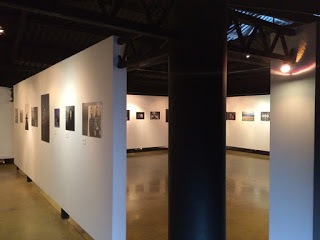
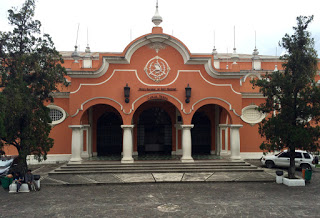
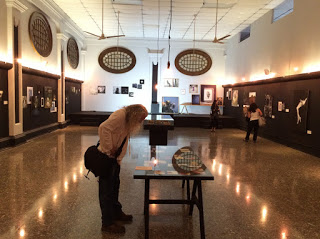
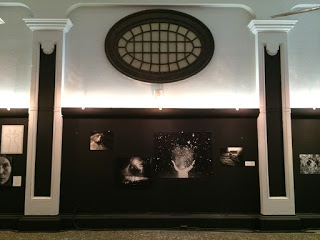
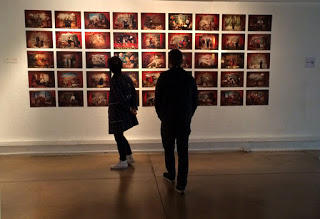
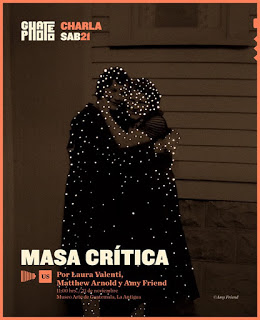
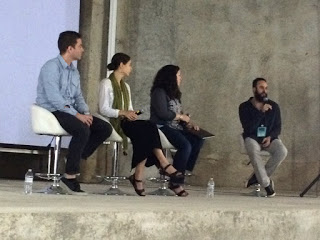
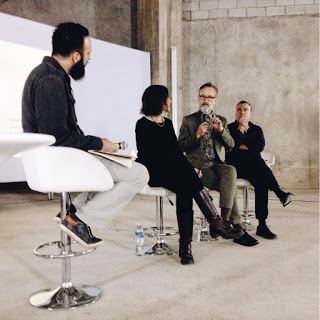
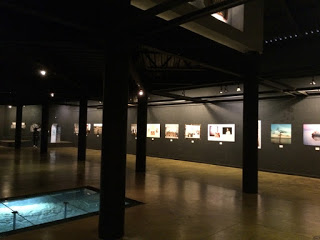
In November, Photolucida Director Laura Moya and Outreach Director Laura Valenti attended GuatePhoto 2015, which took place in Guatemala City and Antigua, Guatemala. The Critical Mass 2014 TOP 50 exhibition “Seeing Connection”, curated by Dr. Rebecca Senf (her curatorial statement at bottom) was part of the Festival programming. Critical Mass 2014 Top 50 photographers Amy Friend and Matthew Arnold were able to participate in the Festival, and be part of the panel discussion with Laura Valenti on Critical Mass programming. Photolucida staff was proud to be part of GuatePhoto’s Portfolio Review sessions, as well.

Other GuatePhoto exhibitions included work by: Martin Parr, Luis Gonzalez Palma and Graciela de Oliveira, FotoVisura, Arno Raphael Minkinnen, Cotidiano Latino, Foto Feminas, Eadward Muybridge, NY Times Lens Blog, Daylight Magazine, Indie Photobook Library, Festival del Libro, Marcelo Brodsky, Powerhouse Books, Huespedes del Presente, Andy Warhol, Marcos Lopez, plus the multitude of photographers chosen through GuatePhoto’s Open Call.

GuatePhoto’s organizers (and founders of La Fototeca) JJ Estrada and Clara de Tezanos (along with a small army of volunteers) have produced an amazingly ambitious, dynamic, and multi-layered Latin American international photo festival staged in quite the variety of venues – contemporary museum and gallery spaces, warehouses, historic racetrack buildings, and outdoor locations. Photolucida is grateful for the opportunity to collaborate/promote the culture of emerging photography with GuatePhoto on such a remarkably effective and creative international level.

Below are some images from our experience there!

Entrance to the Critical Mass TOP 50 exhibit venue
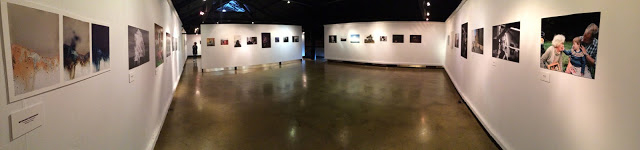
Critical Mass TOP 50 Exhibition “Seeing Connection”
Interior shot, “Seeing Connection”
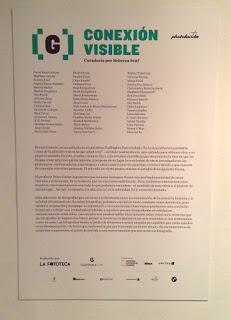
Curatorial statement/participants
Exterior exhibition venue Museum of Modern Art
Interior of MOMA, exhibition curated by Clara de Tezanos
Work by TOP 50 artist, Daniel Coburn
Exhibit curated by Alasdair Foster
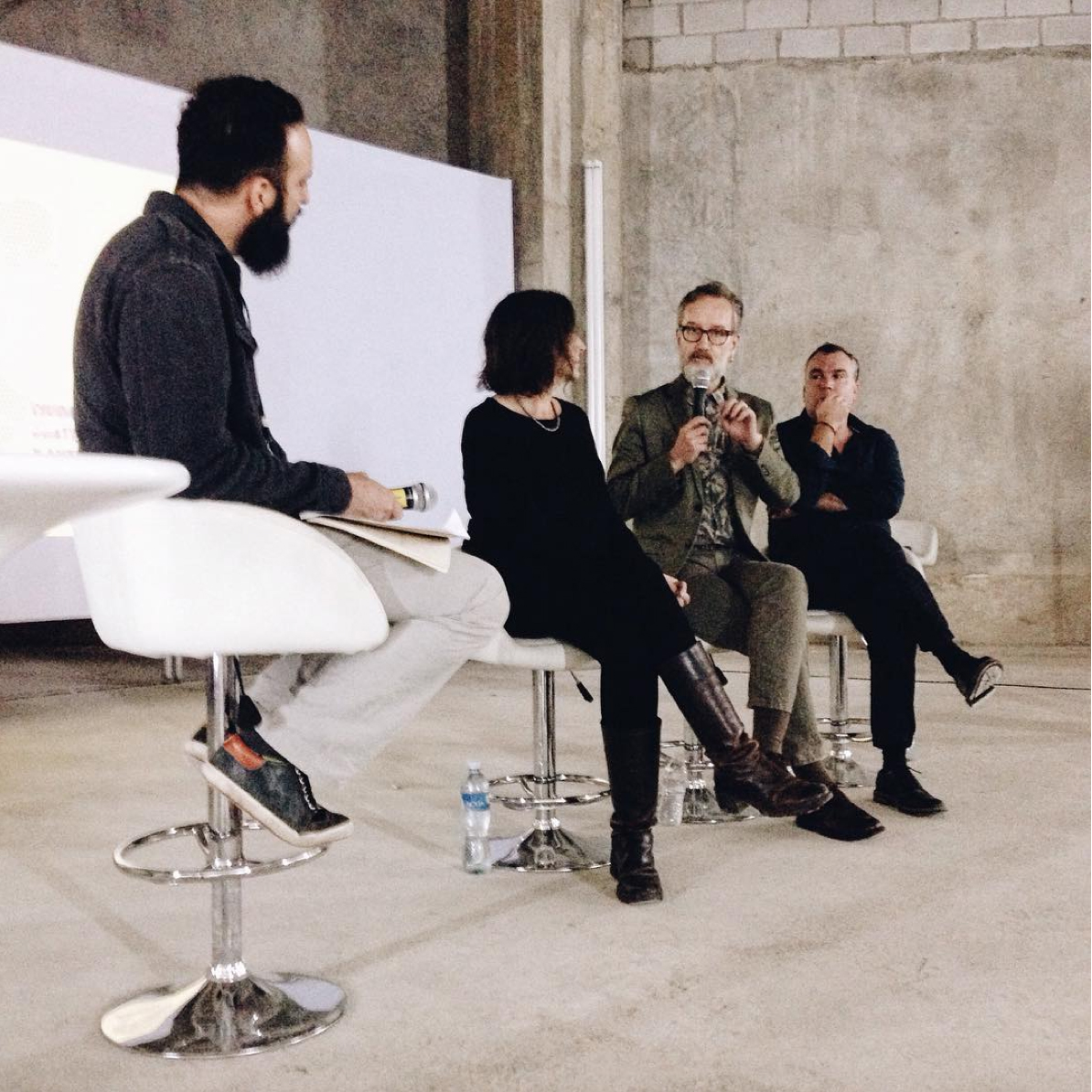
Panel on Critical Mass
Laura Valenti, Matthew Arnold, Amy Friend talk about Critical Mass
Laura Moya, Alasdair Foster, Claudi Carreras – The Future of the Image panel
Photo Book Fair – Historical building at a horse racetrack
Interior of the Photo Book Fair venue
La Fototeca Student Thesis Show
Work by La Fototeca student Sergio Peneta
Exhibition curated by Adriana Teresa/FotoVisura
Detail of work by Luis Gonzales Palma
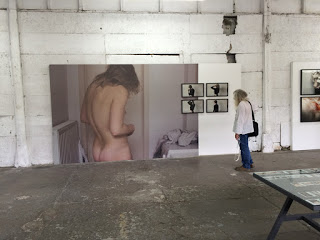
Contemporary Guatemalan photography in warehouse venue
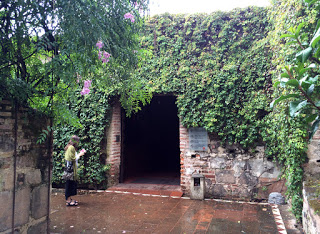
Amy Friend at entrance to underground exhibition space

Seeing Connection

I recently read an article on Huffington Post called “The Likely Cause of Addiction Has Been Discovered, and It Is Not What You Think”—the title was clearly clickbait, and it worked on me. In it, the author, Johann Hari, cites scientific studies that refute the idea that drugs chemically addict users, and proposes instead the conclusion of several researchers: people become addicted to drugs and other things (think gambling or sex) because they lack human connection. The article, at one point, summarizes the thesis this way, “Professor Peter Cohen argues that human beings have a deep need to bond and form connections. It’s how we get our satisfaction. If we can’t connect with each other, we will connect with anything we can find — the whir of a roulette wheel or the prick of a syringe…So the opposite of addiction is not sobriety. It is human connection.”

This selection of photographs revolves around the dichotomy between the fulfillment of human connection and the loneliness of alienation. In these pictures we can alternately find comfort and desolation, acceptance and dislocation. The isolation or connection we view may be a temporary condition, or reflect a deeper truth, and those who are pictured alone are not necessarily lonely. Portraits may speak directly of relationships, while pictures of places allow us to consider if this is an environment where one fits, where one can be at home. Photographs may compel us to empathize with those who are isolated in their despair or to feel our spirits soothed by a tender embrace. It is that experience of being moved from where we start to a new place of emotional experience that draws us to photography.

– Dr. Rebecca Senf – Norton Family Curator, Center for Creative Photography and Phoenix Art Museum

Rauschenberg Residency – CM14 Award Winner Tamara Staples

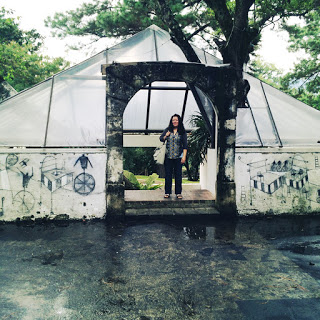
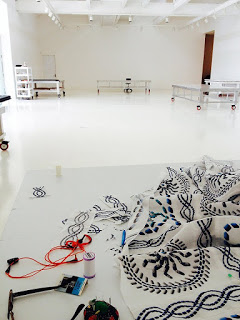
One of the awards through Photolucida’s annual Critical Mass is the appointment to the Rauschenberg Residency in Captiva, Florida. In 2014, I was the proud winner of this prestigious award and took up residence from September 23rd – October 24, 2015. The residency is a five week program that allows the artist to concentrate fully on their work in a beautiful tropical South Florida island environment. This was my first residency experience and I wasn’t exactly sure what to expect. I prepared to work on a couple of projects that had been ongoing and brought a few new ideas as well. This residency exceeded all of my expectations. To begin with, the facilities were ample: a ceramics studio, a welding studio, print making studio, dance studio, silk screening, imaging lab, etc. And because of the supportive and kind staff, complicated works of art could be created in a shorter period of time with expert guidance. In addition, each artist was able to pick their private studio which suited the needs of their projects.

The artists in attendance were from all over the world, seven in total. I learned much from observing their creative process and was inspired by their work ethic. We worked seven days a week, pausing to share meals and going straight back to our studios until late. Although I was only able to swim in the ocean three times during my stay, the beauty of the landscape was not lost on me. The view from my bedroom boasted an amazing view of the Florida sunrise. A morning jog took me took me into the jungle and onto the beach where birds of every stripe clung to the waters edge searching for breakfast. After picking fruit from a nearby tree for my own breakfast, I was off to my studio for a long day of work. The residency is located on a gorgeous 20 acres that encompasses both the bay, the Gulf of Mexico and a small but lush “jungle”. A simple bike through the property was stunning in every direction. One of the projects I completed while in Captiva was inspired by the local flora and fauna.

The heart of the residency, however, is Bob (as the artist came to know him) Rauschenberg. It was his prolific art making and ability to bring people together that inspired gathering a group of interdisciplinary artist to one place to start conversations about art and so much more. My time spent at the Rauschenberg Residency had an enormous impact on me both personally and artistically. The gift of time is priceless. My artistic practice has never been stronger. And I will always have the memories of this extraordinary place. Thank you Photolucida and Critical Mass jury for believing in me and my work.

– Tamara Staples (website here!)

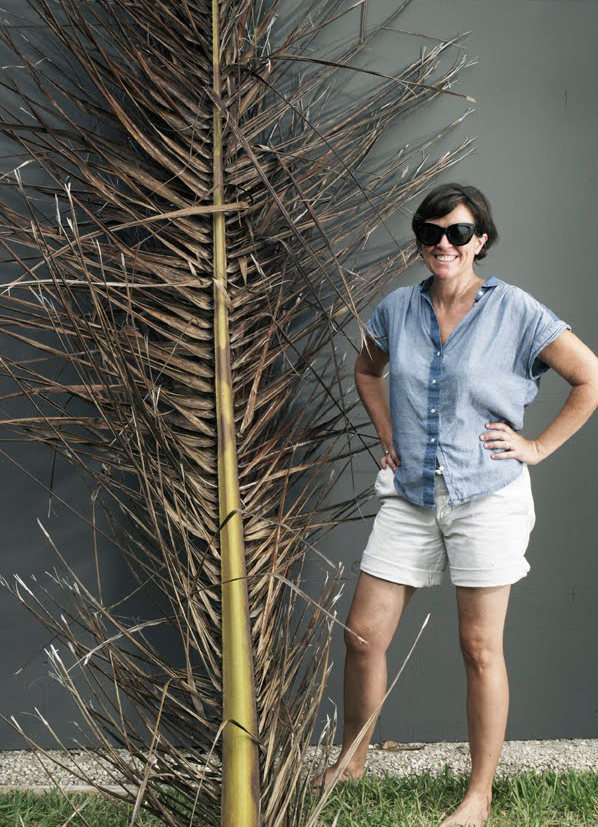
Tamara and palm leaf
Main studio
Working in the imaging lab
Sunrise view from my room
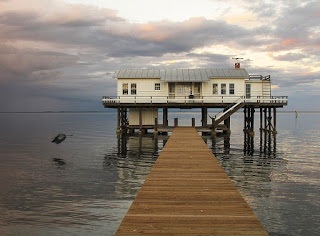
Fish House with blue heron

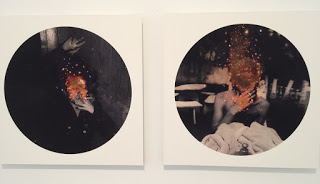
Dare Alle Luce

In my use of the photographic medium, I am not specifically concerned with capturing a “concrete” reality. Instead, I aim to use photography as a medium that offers the possibility of exploring the relationship between what is visible and non-visible.

By employing the tools of photography, I re-use light by allowing it to shine through the holes in the images. In a somewhat playful and yet literal manner, I return the subject of the photographs back to the light, while simultaneously bringing them forward. The images are permanently altered, they are lost and re-born – hence the title, Dare Alla Luce, an Italian term meaning “to bring to the light,” in reference to birth. The photographs present new meanings, despite the mysteries they harbor.

– Amy Friend

Introduction by Kirsten Rian
Hardbound, 11 x 8.5, 64 pages, 44 illustrations

Critical Mass Goes to China!

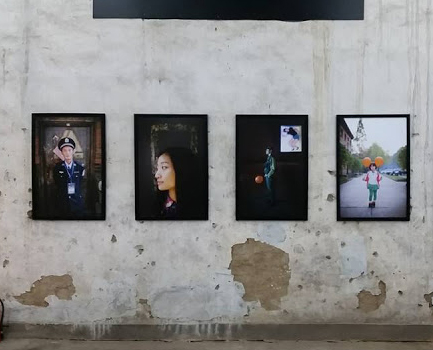
Images (L to R): Jeffrey Stockbridge, Ilona Szwarc

I just got back from a whirlwind trip to China for the Lishui International Photography Festival. I’d been invited to curate a documentary portraiture exhibition for the festival, so I popped over to Lishui to assist with the installation and attend the opening. What an event! It’s a city-wide photography extravaganza: exhibitions, lectures, seminars, and photo ops abound. They even had dancing dragons and special-effects smoke at the opening ceremony (we might need to up our game here at Photolucida). In addition to my show, Portland photographer Fritz Liedtke curated an exhibit highlighting the work of the eight Photolucida Portfolio Reviews photographers who attended the festival in 2013 (Barbara Ciurej, Susan Kae Grant, Heidi Kirkpatrick, Jim Leisy, Clay Lipsky, Bill Vaccaro, Ryan Zoglin, and Fritz himself). He also displayed a powerful series of personal work about people struggling with eating disorders.

I decided to focus my image selections on Critical Mass finalists and Top 50 artists from the last few years. The CM archives are bursting with incredible talent, so I had rich resources to draw from. The resulting exhibition, entitled “Violence, Resilience, and the Human Spirit,” included works by: Leslie Alsheimer, Noah David Bau, Ben Brody, Claudio Cambon, Calvin Chen, Kirk Crippens, Scott Dalton, Natan Dvir, Alinka Echeverria, Gloria Baker Feinstein, Michelle Frankfurter, Patricia Galagan, Matthew Goddard-Jones, Carlos Gonzalez, Toni Greaves, Tamsin Green, Satu Haavisto, Deborah Hamon, Lucia Herrero, Stella Johnson, Corinna Kern, Meeri Koutaniemi, Ikuru Kuwajima, Alvaro Laiz, Jimmy Lam, Gloriann Liu, Rania Matar, David Pace, Ohm Phanphiroj, Walker Pickering, Jessica Eve Rattner, Reiner Riedler, Gilles Roudiere, Maureen Ruddy Burkhart, Michelle Sank, Alix Smith, Jeffrey Stockbridge, Ilona Szwarc, Iveta Vaivode, Xiaoxiao Xu, and Ji Yeo.

From the exhibition text:

“The photographers I have chosen for the exhibition have traveled the world to shed light on some of the most compelling issues of our day. My hope is that the exhibition offers a thought-provoking look at the face of our global experience. The images reference religious rituals, the lives of teenaged girls, war, family traditions, boy prostitutes on the streets of Thailand, the transgendered experience, homelessness, advertising and the American landscape, cultural festivals, female genital mutilation, children at play, plastic surgery and the search for beauty, environmental politics, and the fragile beauty of the human condition. Overall, the exhibition is a wide-ranging look at the hope, struggle, love, despair, beauty, violence, and compassion that characterize our modern world.”

 
Here’s a little video of some of the exhibition installation.
See more at the Lishui International Photography Festival website.
Fritz Liedtke’s work at Lishui

2015 Critical Mass Top 50!

Image by Kate T. Parker, 2015 Critical Mass Top 50

Have you heard? The 2015 Critical Mass Top 50 have been announced! Actually, this year we had a tie – so there are 51 fantastic photographers to celebrate. If you haven’t already, head on over to the Critical Mass page on our site to check out portfolios and artists’ statements for all these wonderful artists.

This year, awards include an artist’s residency at the Robert Rauschenberg Foundation’s Captiva Island estate, a solo exhibition at Blue Sky Gallery, and our prestigious Monograph Award. Critical Mass Top 50 photographers will also be exhibited in a group show at FotoFestiwal Lodz (Poland). Selections for the group show will be made by Alison Nordström, Fotofestiwal’s Artistic Director.

Stay tuned – awards will be announced in the coming months!

Thank you to the 200+ jurors who contributed their time and talents to this year’s Critical Mass! And, congratulations to the 2015 Top 51 photographers! It’s a banner year!

Critical Mass Finalists Announced!

Image: Clare Benson, CM15 Finalist

It is with great excitement that we announce the finalists for this year’s Critical Mass competition. Our pre-screening committee has chosen these 200 photographers to advance to the finalist’s round of jurying. Congratulations, finalists! We will be sending all finalists information about second-round jurying this week.

Stay tuned! The Critical Mass Top 50 will be announced in mid-November.

Without further ado:

CRITICAL MASS 2015 FINALISTS
Thomas Alleman
Ben Altman
Troi Anderson
Alejandro Ares
Mary Ellen Bartley
Craig Becker
Emily Belz
Clare Benson
Emily Berl
Tatyana Bessmertnaya
Joanna Black
Stefan Bladh
Patrizia Bonanzinga
Tami Bone
Susan Bowen
Gregory Brophy
Carolyn Brown
Carson Davis Brown
Anja Bruehling
Blake Burton
Ernie Button
Zackary Canepari
Ellen Cantor
Christopher Chadbourne
John Chakeres
Saranya Chalermchai
Clement Hong Yui Chan
Calvin Chen
Yukari Chikura
Daniel W. Coburn
Troy Colby
Ronan Considine
Debi Cornwall
Richard Coty
Victoria Crayhon
Kirk Crippens
Stephen Crowley
Catherine Day
Adrienne Defendi
Léo Delafontaine
Norm Diamond
Barbara Diener
Megan E. Doherty
Katerina Drakopoulou
Alejandro Duran
Beth Yarnelle Edwards
Smith Eliot
Douglas Eng
Roberto Falck
Marico Fayre
Tsar Fedorsky
Gloria Baker Feinstein
Sean Thomas Foulkes
Amy Friend
Rich Frishman
Susanna Frohman
Preston Gannaway
Laura Husar Garcia
Samantha Geballe
Carol Golemboski
Agustin Gonzalez-Garza
Jeffery Graves
Toni Greaves
Torrie Groening
Tytia Habing
Erik Hagen
Alice Hargrave
Amanda Harman
Ralph Hassenpflug
Hiroaki Hasumi
Dennis Hearne
Guillaume Hebert
Gabriela Herman
Liz Hickok
Tama Hochbaum
Laura Hofstadter
Chandler Holmes
Joseph Holmes
Kevin Horan
Jon Horvath
Casey Jackson
Michael Jackson
Ole Marius Joergensen
David Johnson
Shannon Johnstone
Geir Jordahl
Michael Joseph
Stella Kalaw
Priscilla Kanady
Sachiko Kawanabe
Thomas Kellner
Corinna Kern
Vivian Keulards
Jennifer Kiaba
Tom Kiefer
Steve King
Aleksey Kondratyev
Jazan Kozma
Lou Krueger
Ikuru Kuwajima
Molly Lamb
Alexandros Lambrovassilis
Christine Laptuta
Anne Lass
Patricia Lay-Dorsey
Rubi Lebovitch
Annie Ling
Clay Lipsky
Gloriann Liu
Larry Louie
Louviere+ Vanessa
Caroline MacMoran
Sarah Malakoff
Stephen Mallon
Erin Malone
Kerry Mansfield
Ben Marcin
Rebecca Martinez
Antonio Martinez
Rania Matar
Cynthia Matty-Huber
Hannah Cooper McCauley
Robbie McClaran
Lisa McCord
Forest McMullin
Cheryl Medow
Clark James Mishler
Lora Moore-Kakaletris
Bruce Morton
Mana Mueanmanas
Kathryn Mussallem
Motoya Nakamura
Hannah Neal
Jim Nickelson
Bertil Nilsson
Landon Nordeman
Kathryn Oliver
Hidetaka Onoyama
Karoliina Paatos
David Pace
Ann Pallesen
Sebastian Palmer
Kate T. Parker
Jackson Patterson
Christopher Payne
Athit Perawongmetha
Klaus Pichler
Donna Pinckley
Stacy Platt
Lori Pond
Betty Press
Janet Pritchard
Heather Protz
Susana Raab
Ransom & Mitchell
Stan Raucher
Ryan Spencer Reed
Astrid Reischwitz
Suzanne Révy
Jesse Rieser
Angelika Rinnhofer
Lissa Rivera
Rafael Rojas
Ken Rosenthal
Elliot Ross
Kosuke Ryujin
Lissette Schaeffler
Nicolò Sertorio
Stephen Sheffield
Alexandra Shyshkina
Melissa Simser
Rebecca Sittler
Michal Solarski & Tomasz Liboska
Joshua Spees
Rylan Steele
S Gayle Stevens
Jamey Stillings
Deb Stoner
Theo Stroomer
Gabriella Sturchio
Lillian Suwanrumpha
Jerry Takigawa
Sameer Tawde
JP Terlizzi
Paul Thulin
Brandy Trigueros
Samantha VanDeman
Christian Vium
Claire A. Warden
Terri Warpinski
Joshua White
Frank Sherwood White
Krista Wortendyke
Kallen Yan
Jiaxi Yang
Marc Yankus
Dianne Yudelson
Tariq Zaidi
Rebecca Zeiss
Ryan Zoghlin