Edward Boches

Most people encounter an oyster at the end of its story.

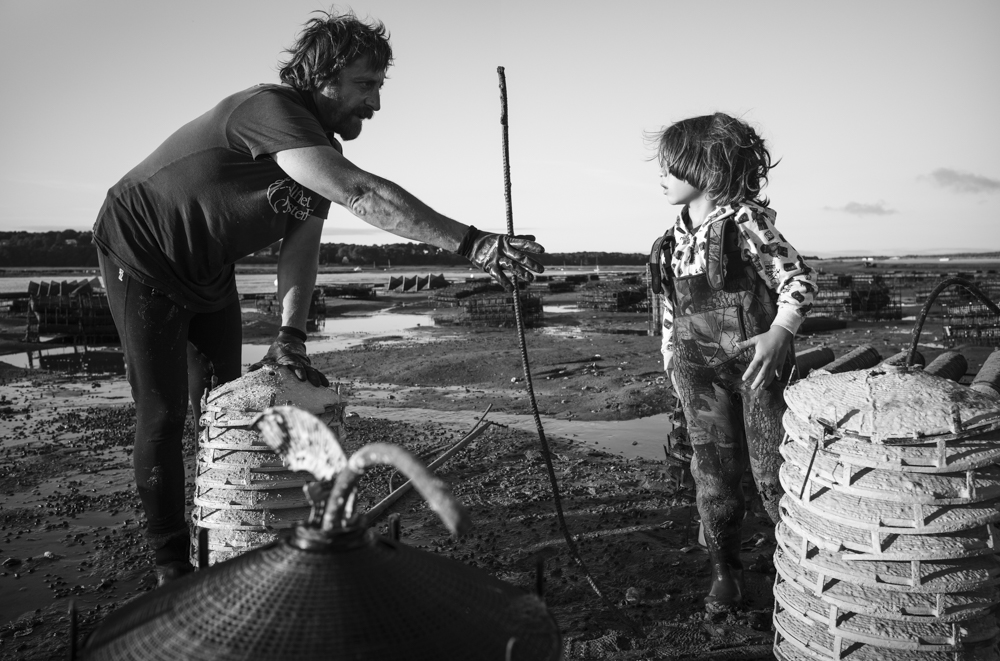
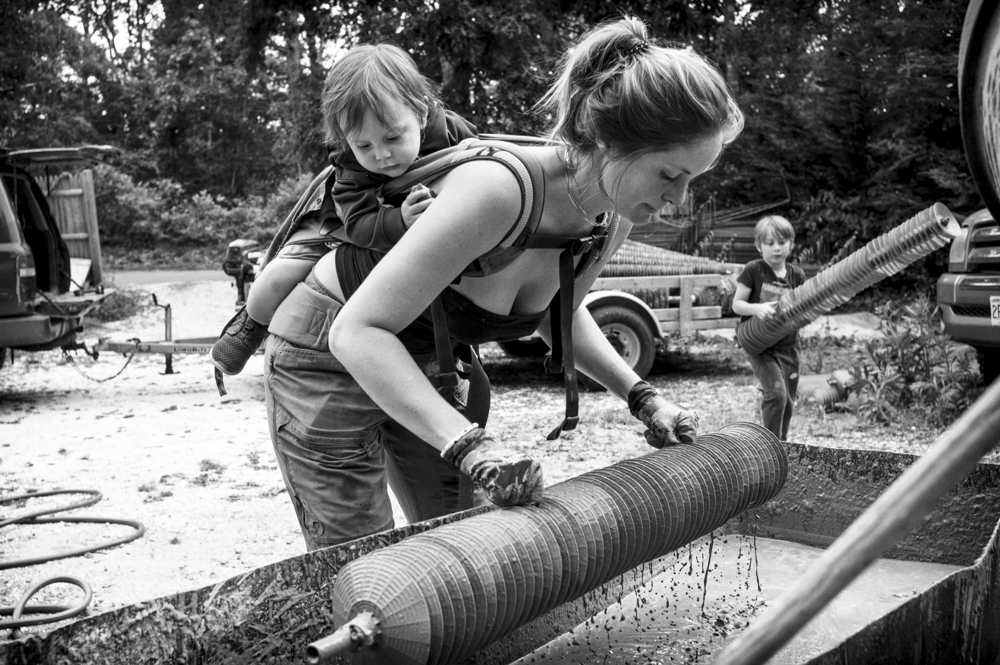
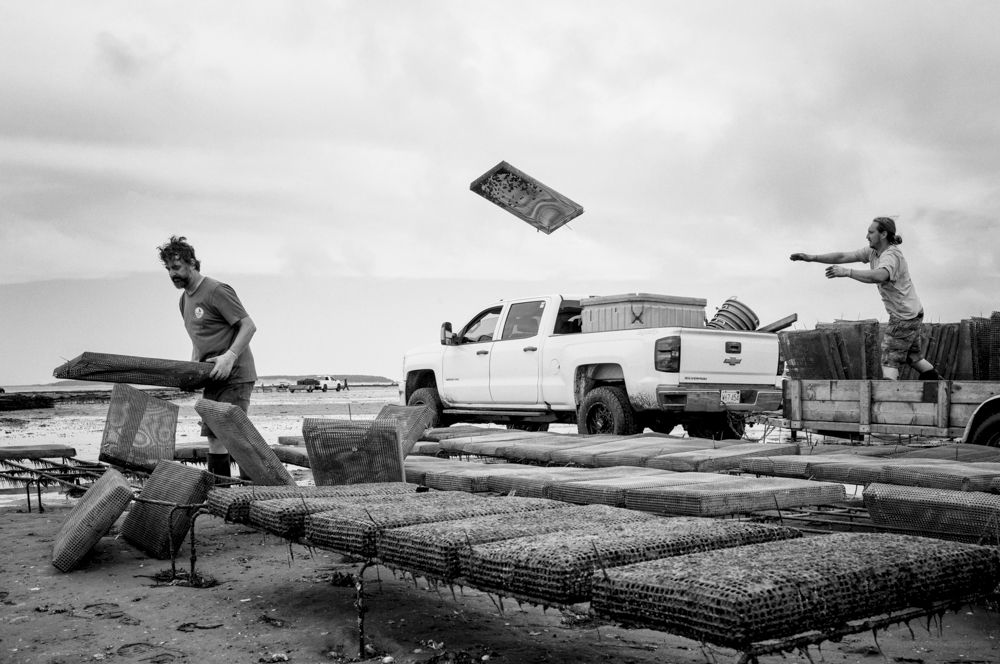
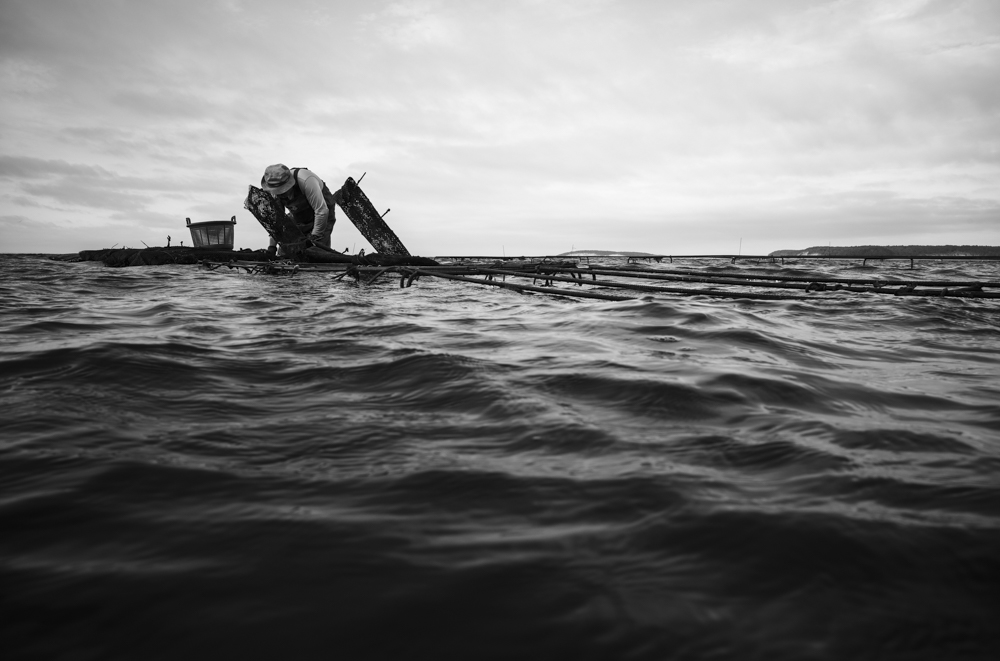
It arrives on a tray of ice. A shell is lifted, tipped back, tasted, and discarded. What remains unseen is the work that came before: years of tending cages, sorting seed, hauling gear through mud, repairing equipment, working in cold water, and following a schedule dictated not by a clock but by the tide.

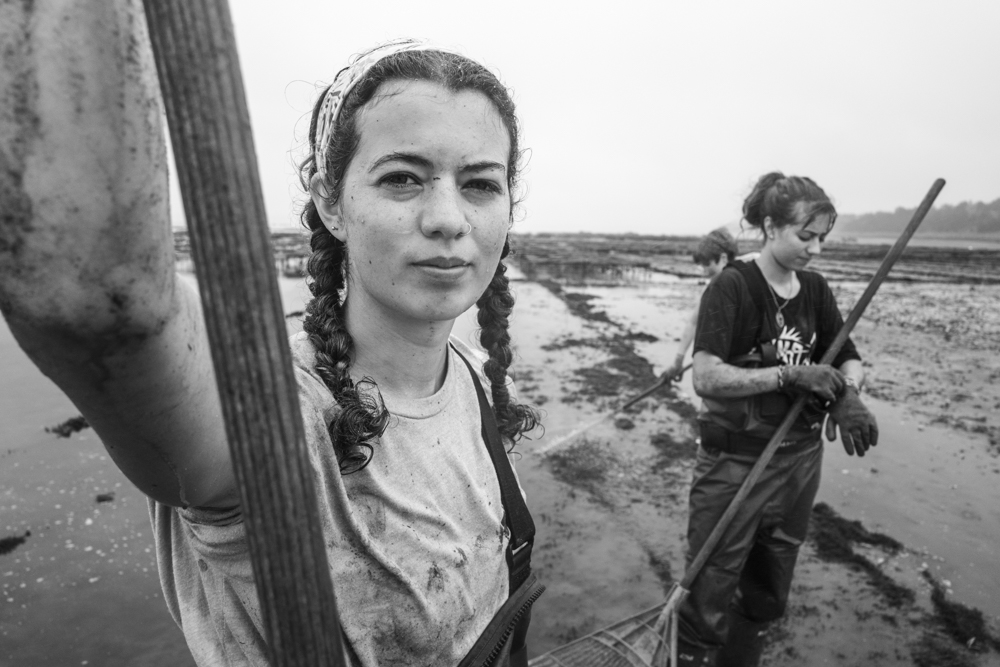
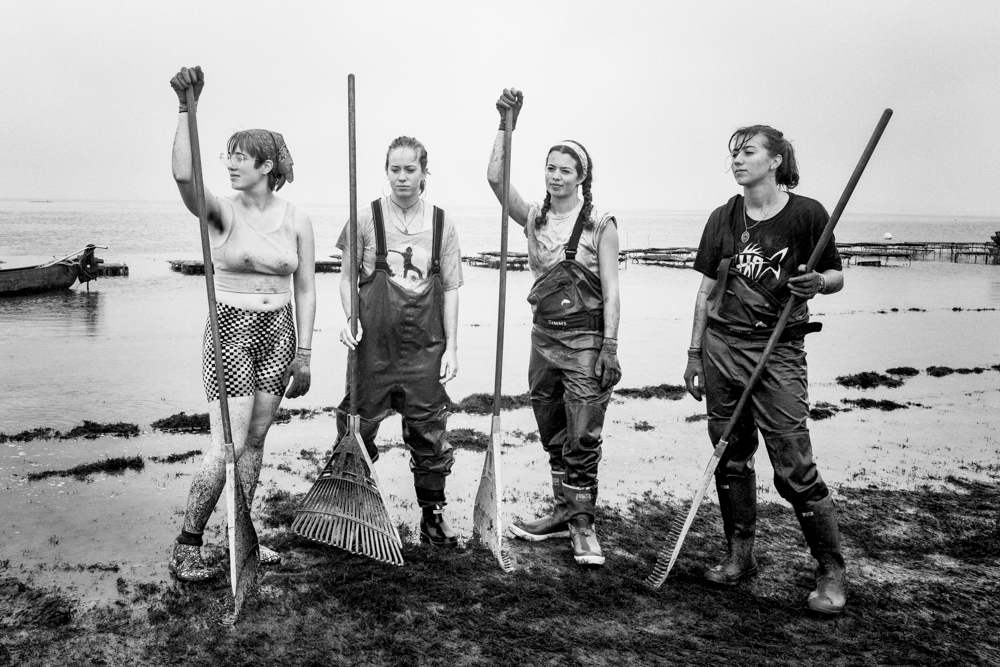
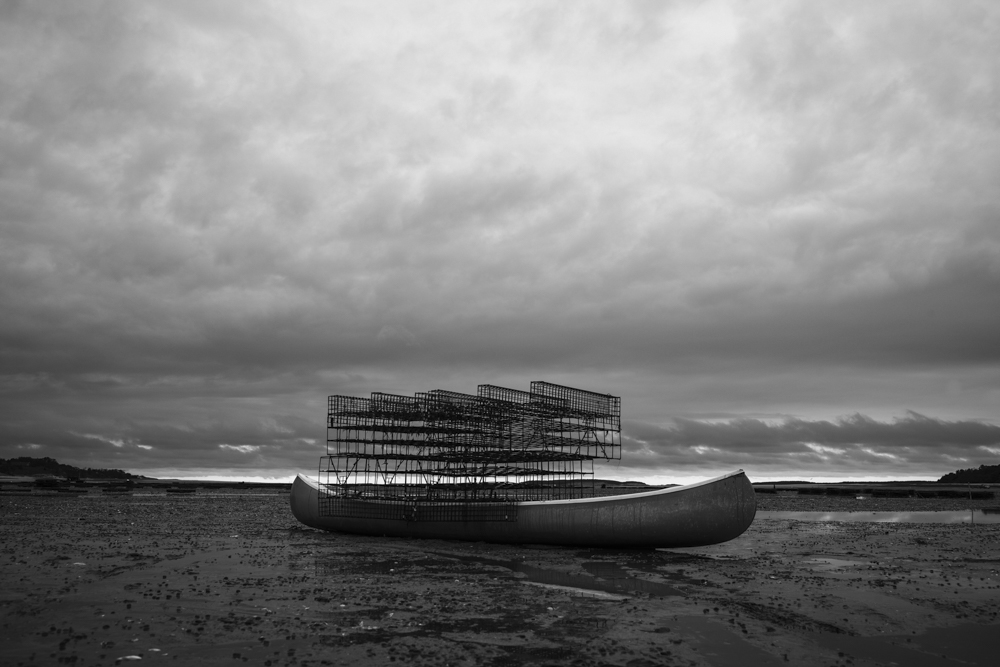
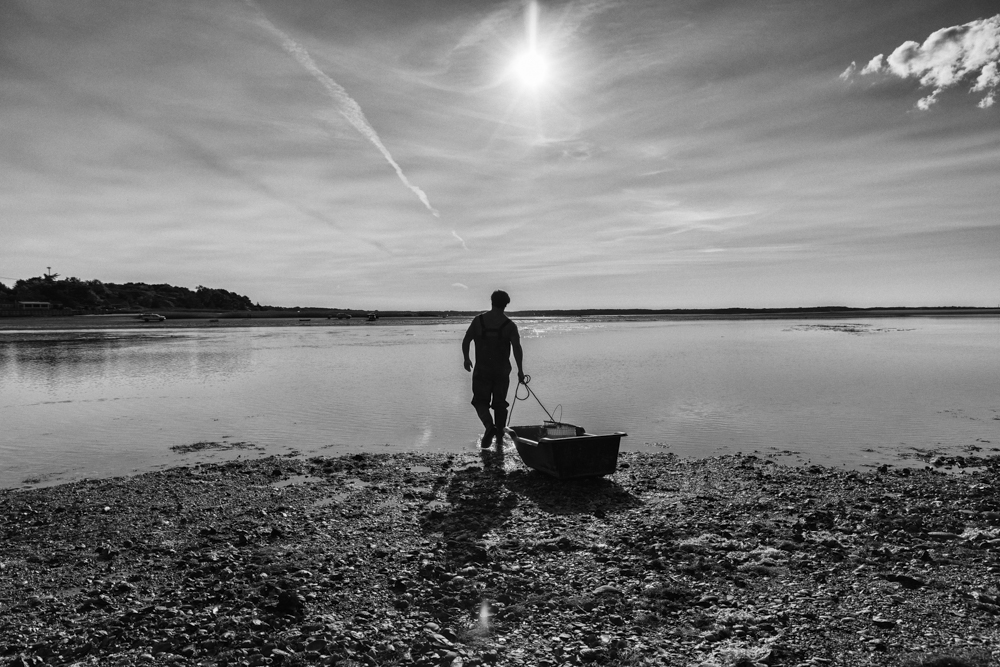
Along the shores of Wellfleet, Massachusetts, oyster farmers live by nature's centuries-old rhythms. The tide determines when they work, when they wait, when they capture spat, tend seed, move cages, harvest, and prepare for winter. The lives of individuals and their families are organized around the water's continual rise and fall.

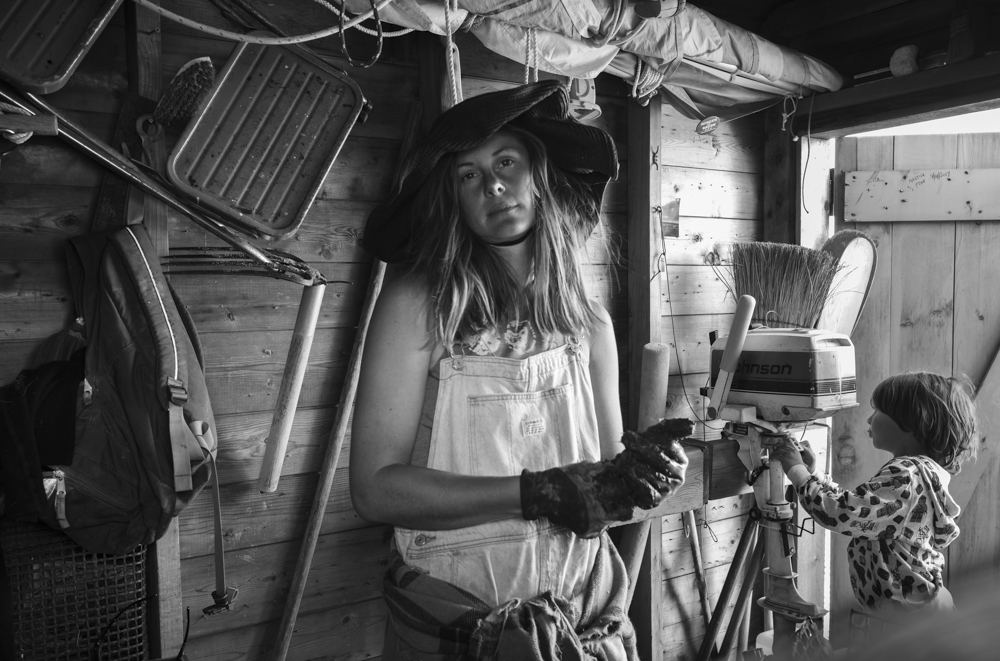
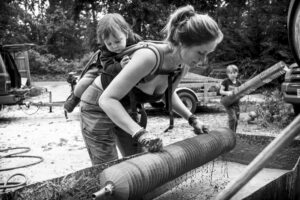
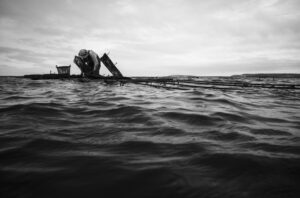
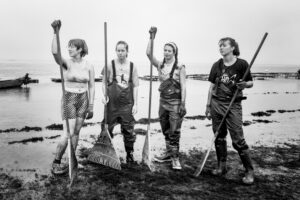
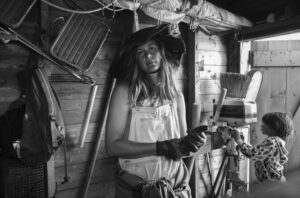
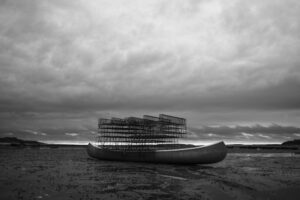
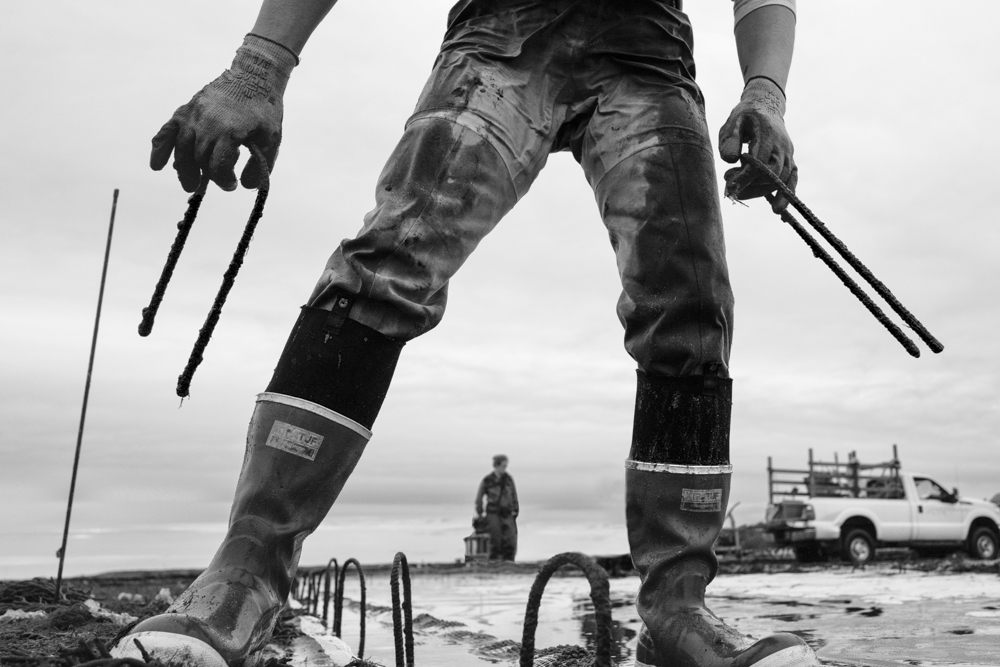
These photographs explore how the tide shapes work, community, and daily life. They document the labor required to grow food, the care required to sustain a fragile marine environment, and the work of growers whose labor remains largely invisible to those who enjoy the final product.

This is a story about oysters and the people who grow them. It is also a story about lives, livelihoods, and relationships shaped by the tide.

Staking Rebar

Passing it Down

Dipping Hats

Working the Run

Back to Tide

Harvesting

On Fields Point

In the Boathouse

Loagy Bay

Wild Picking
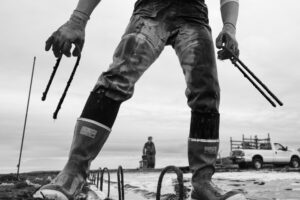
Staking Rebar

Passing it Down

Dipping Hats

Working the Run

Back to Tide

Harvesting

On Fields Point

In the Boathouse

Loagy Bay

Wild Picking