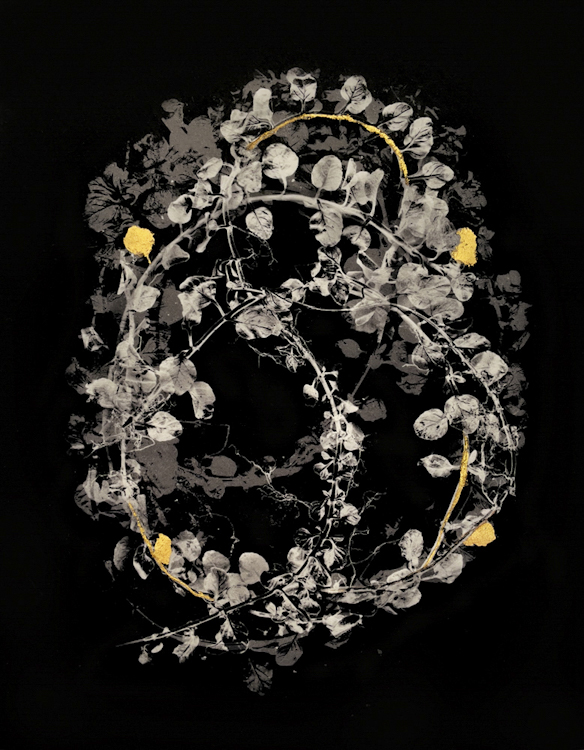
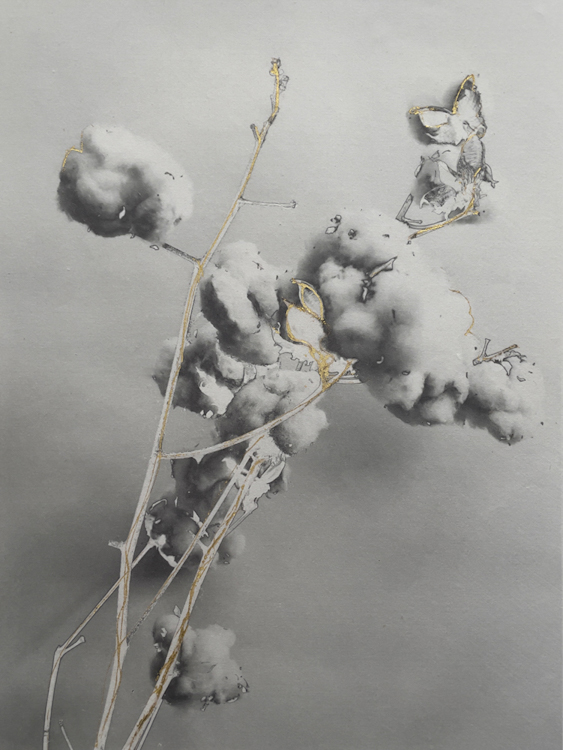
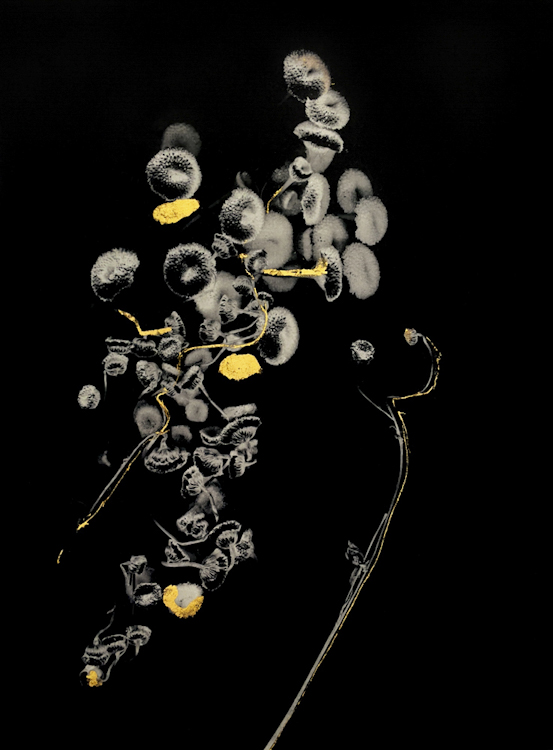
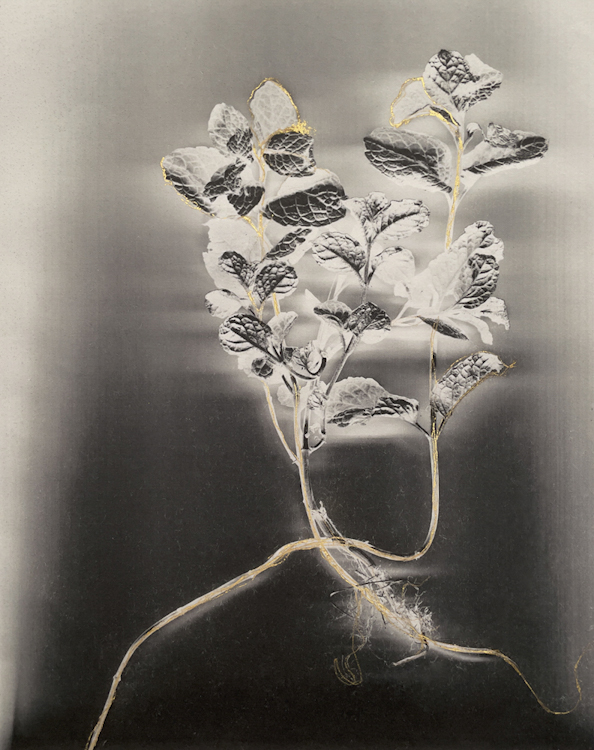
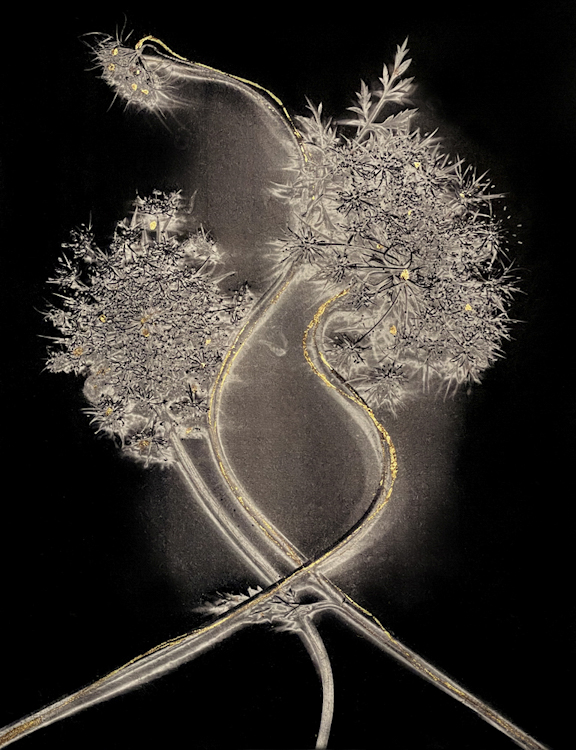
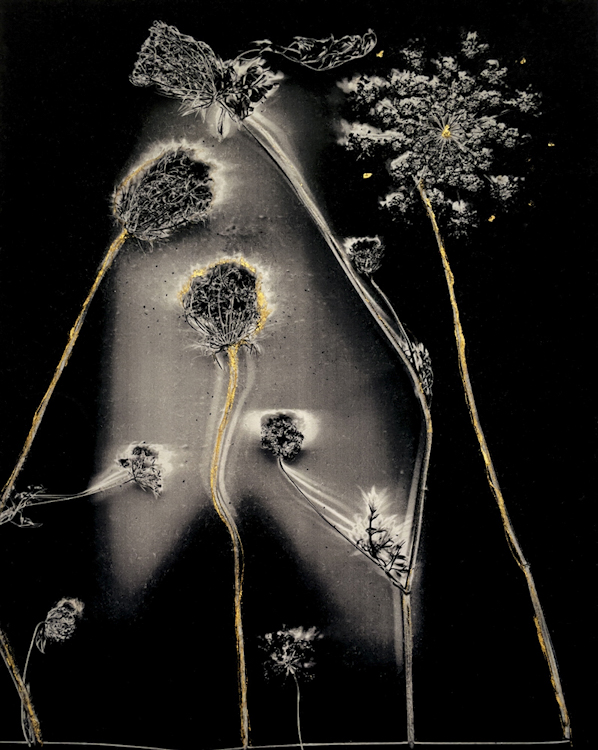
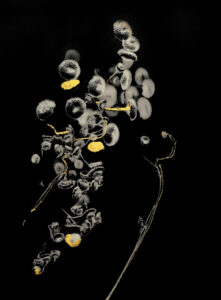
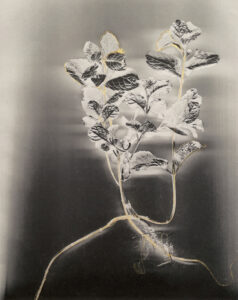
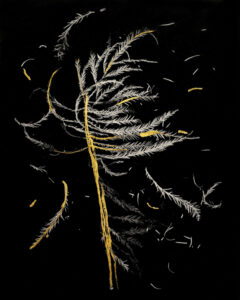
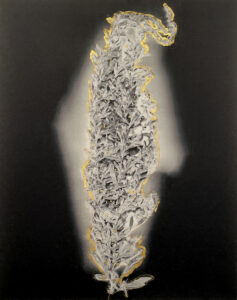
Reproductive rights have become one of the most contested issues in the United States, prompting questions about history, autonomy, and access to care. This work began with a questions into what existed before modern medicine and how reproductive restrictions have shaped women's lives across time. Through this research, I encountered the long history of herbal abortifacients—plants historically used to regulate reproduction.
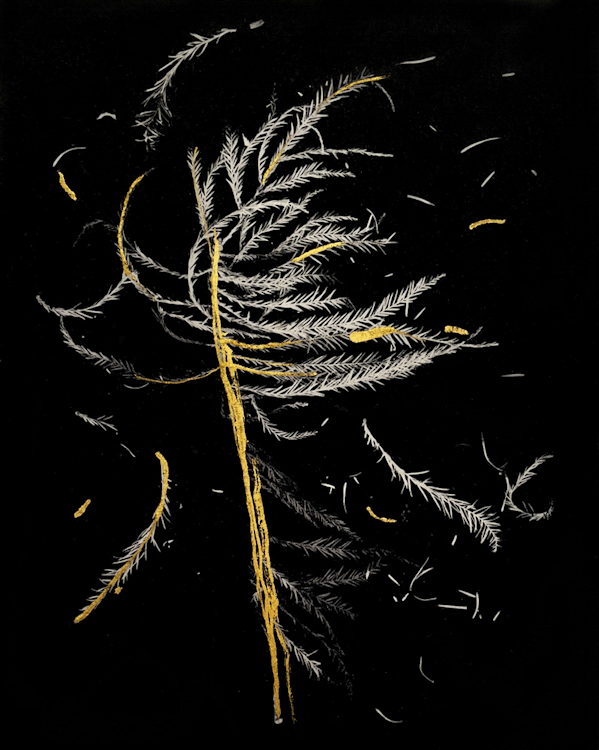
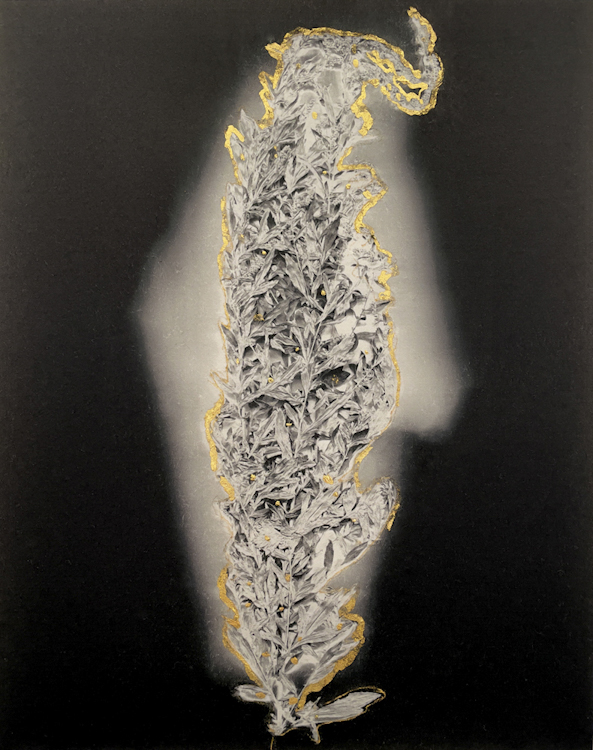
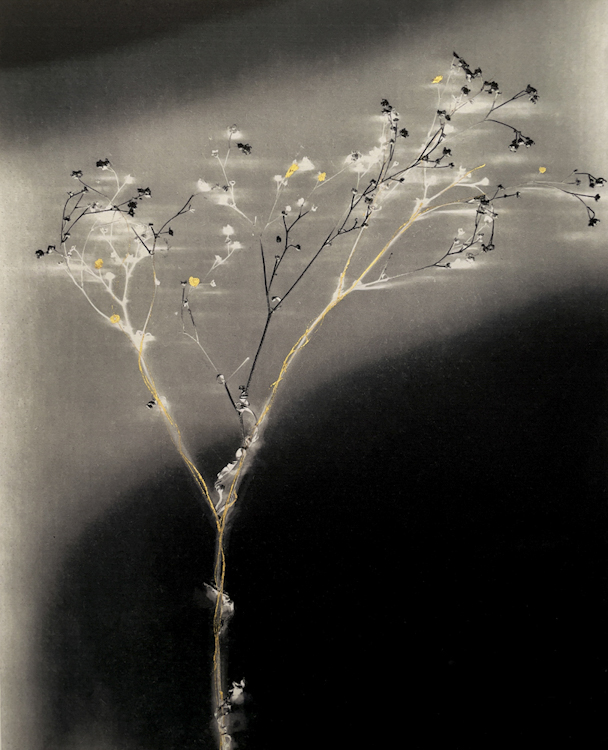
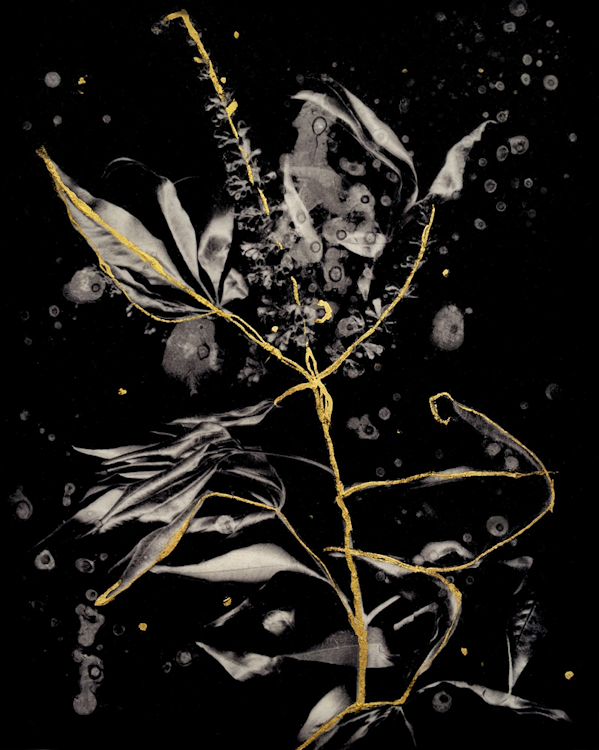
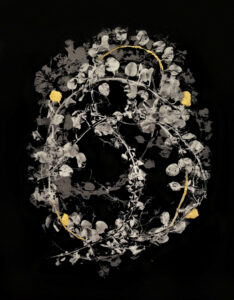
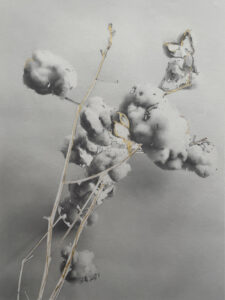
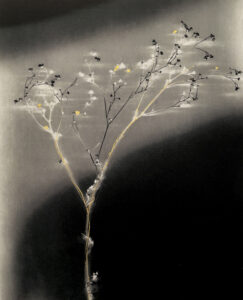
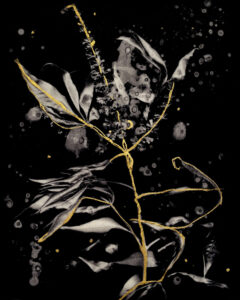
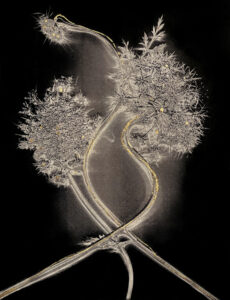
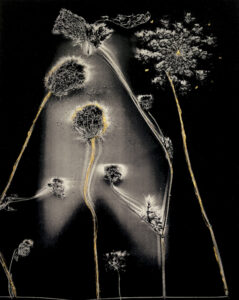
The project centers on photographs of these botanicals, beginning with plants found near the site where Roe v. Wade originated. By layering botanical imagery with historical context, the work explores the intersections of place, memory, and reproductive history.
Material choices are integral to the work's meaning. Each photograph is printed on kozo paper, known for its delicacy and strength; a metaphor for women and this issue. The application of 24-karat gold leaf symbolizes hope and references the Japanese practice of kintsugi, in which broken objects are repaired with gold, a symbol of resilience and strength.
Occupying a space between beauty and unease, the work acknowledges those whose lives have been shaped by reproductive restrictions while expressing hope for a future in which reproductive healthcare is safe and accessible. It invites viewers to reflect on reproductive rights through both historical and contemporary perspectives.
Note: This project examines the historical use of herbal abortifacients as a subject of research. It does not endorse their use, as these methods are often unsafe and unreliable. Modern medical care is the safest option.