In the great river deltas and estuaries, there is a constant pull between freshwater effluence and the saline tide. Fresh water meets the sea to create a brackish borderland—an in-between state that is neither fully salt nor entirely fresh water. This gradual transition becomes a model for lives lived between cultures, languages, and places. As migration, travel, and technology reshape our relationships to one another and to place, identity becomes increasingly fluid—formed through movement, exchange, and overlap rather than defined by fixed boundaries.
We become less river or sea than estuary.
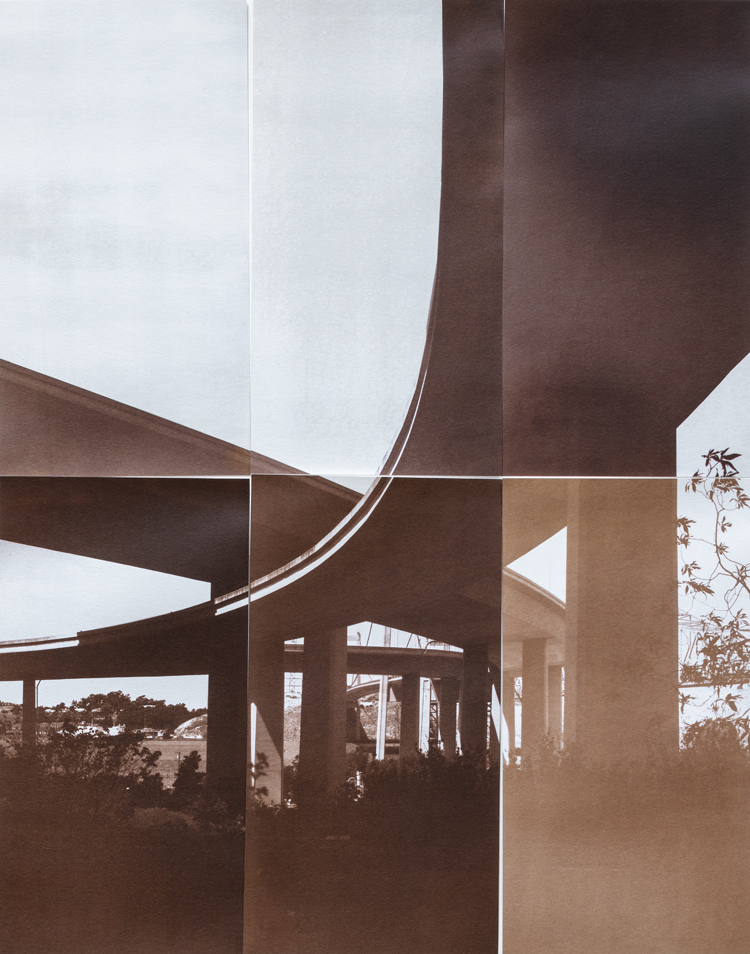
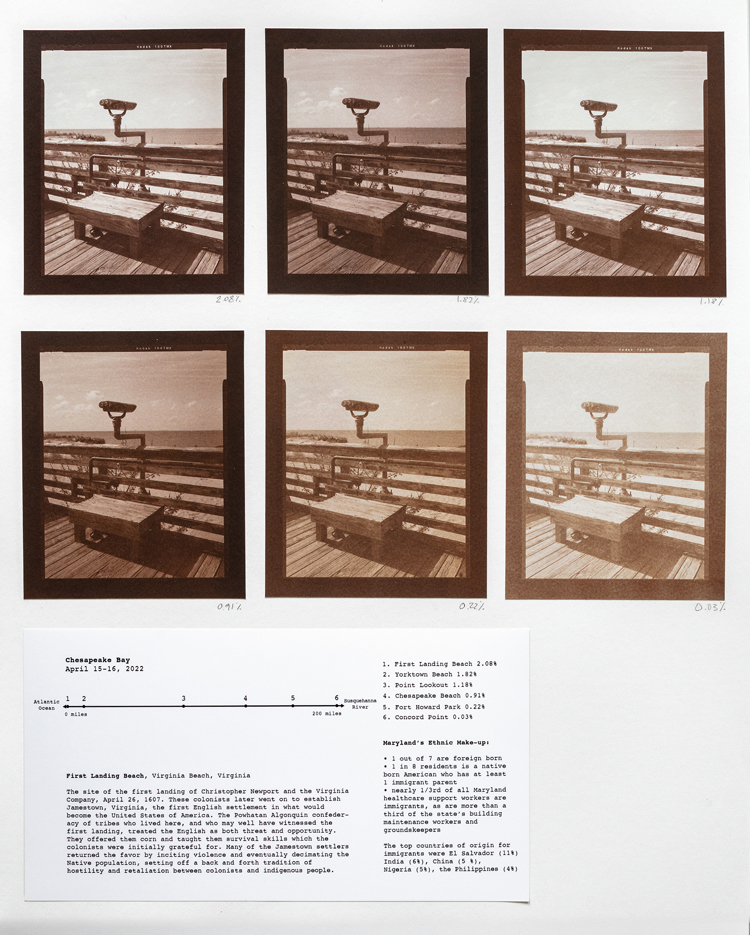
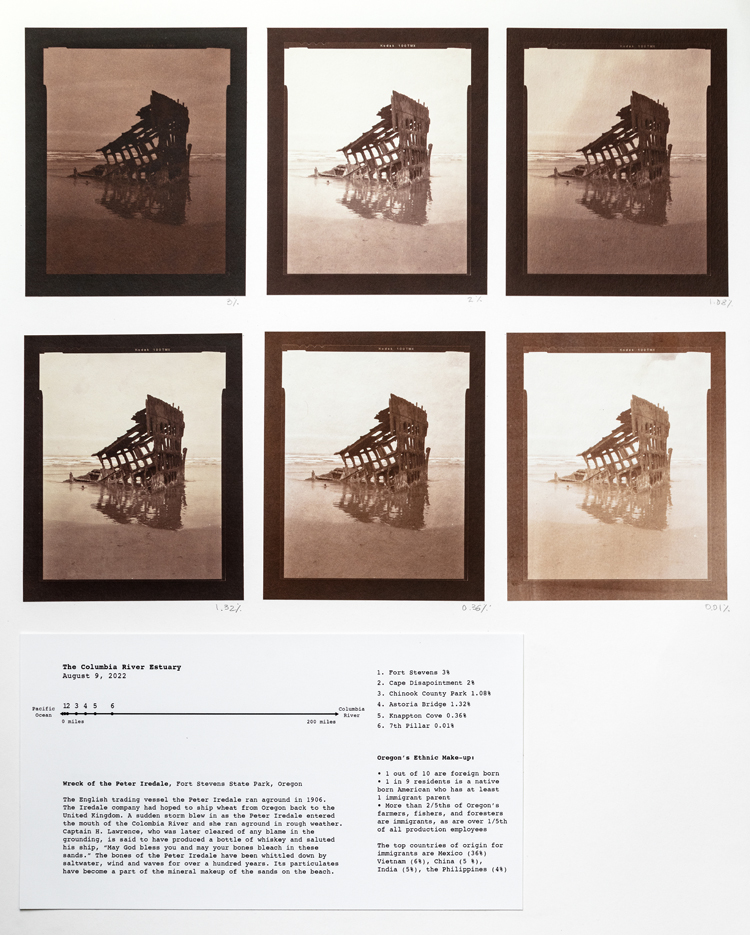
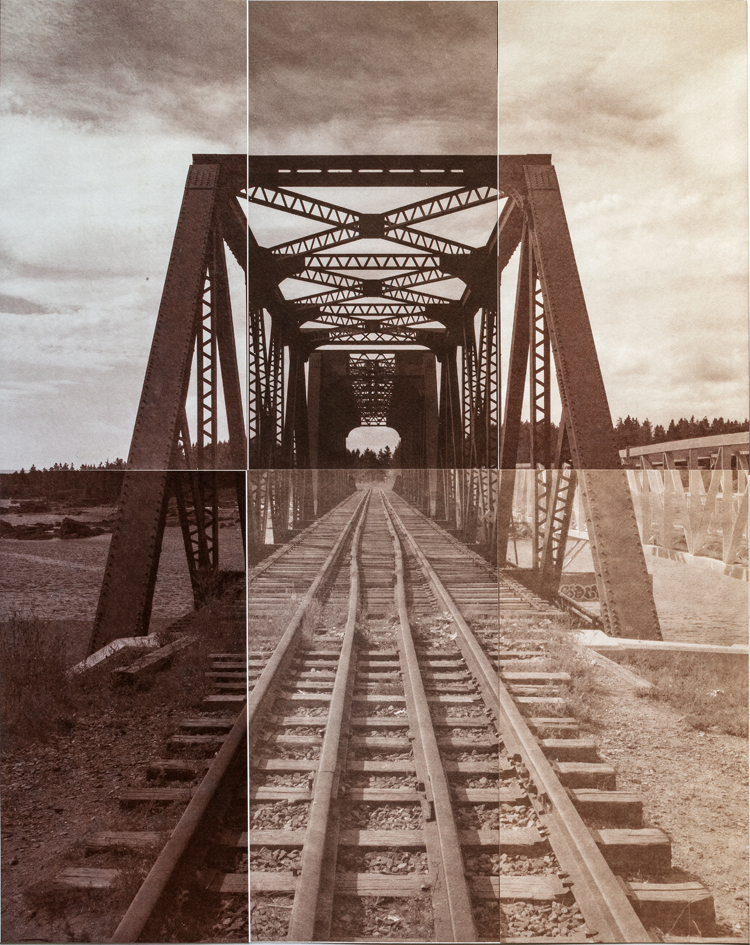
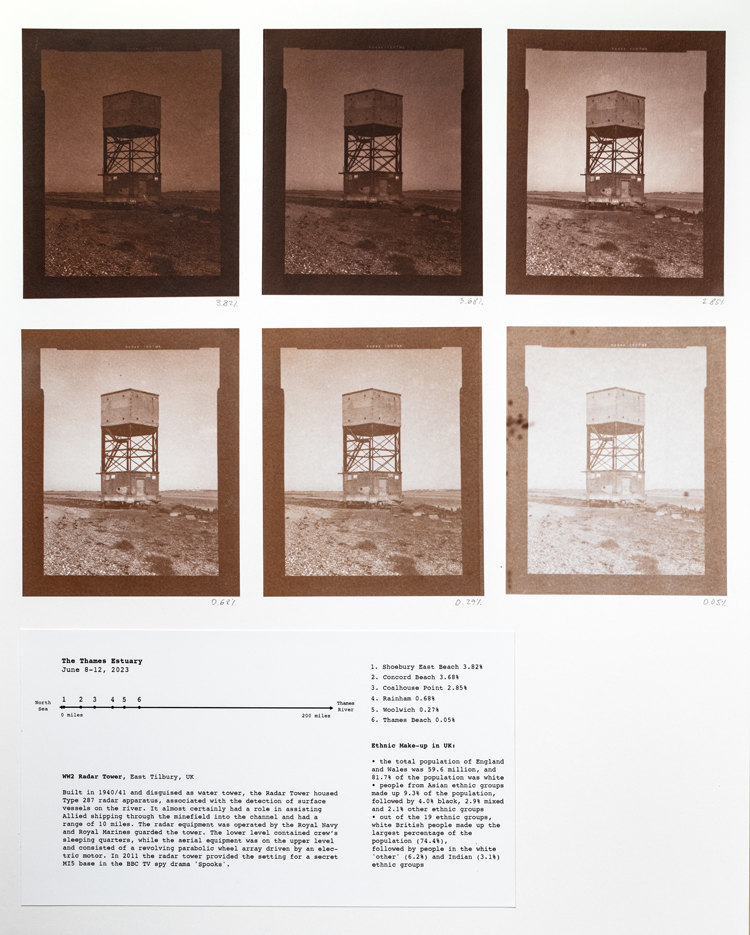
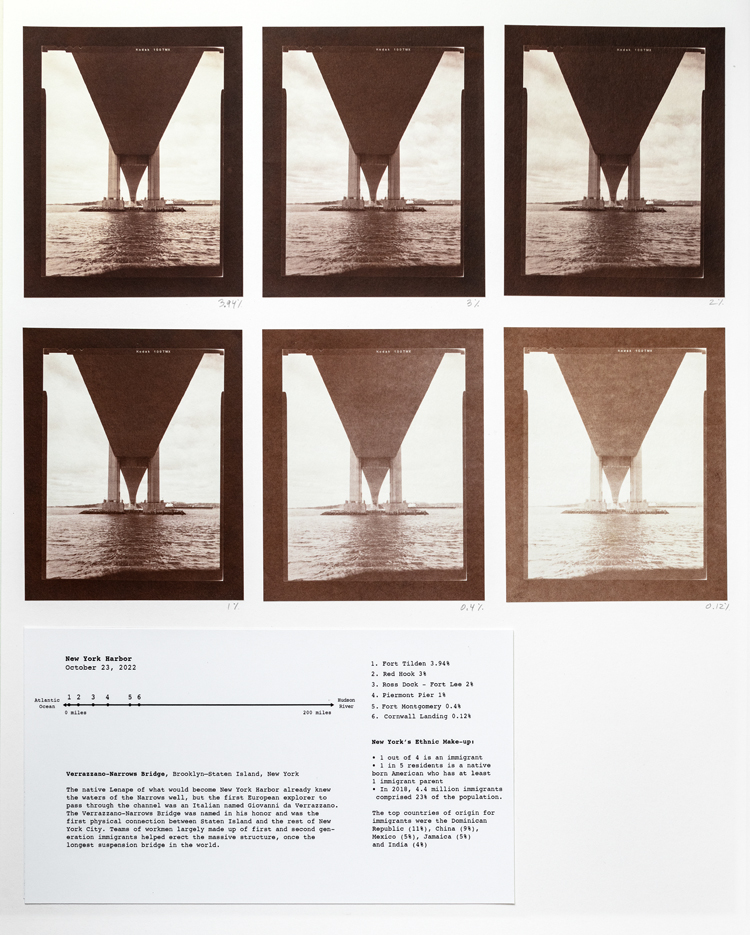
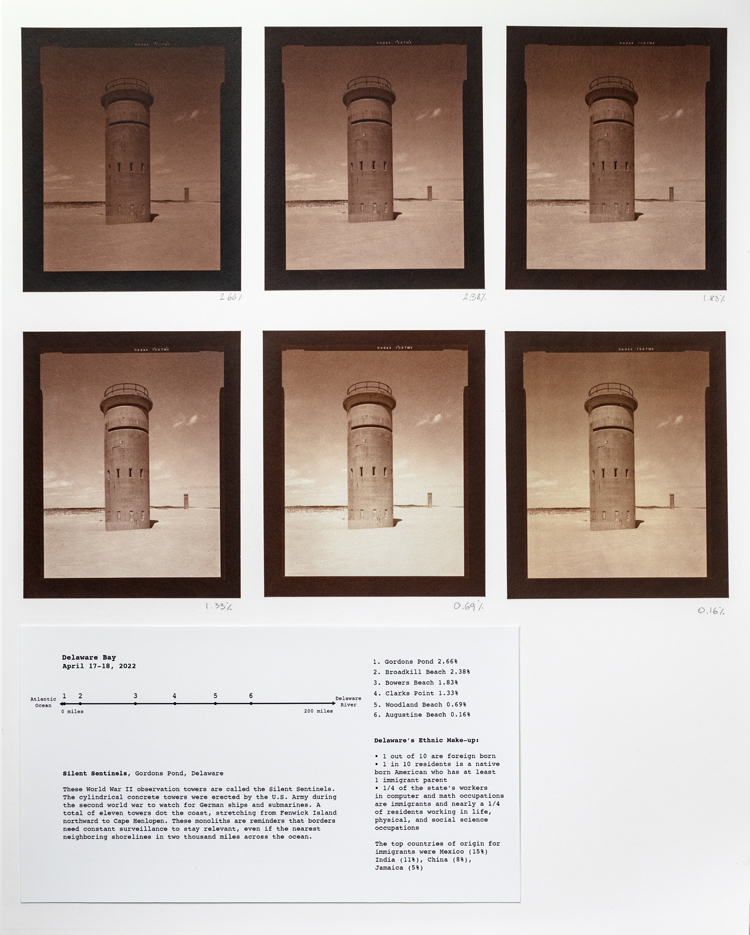
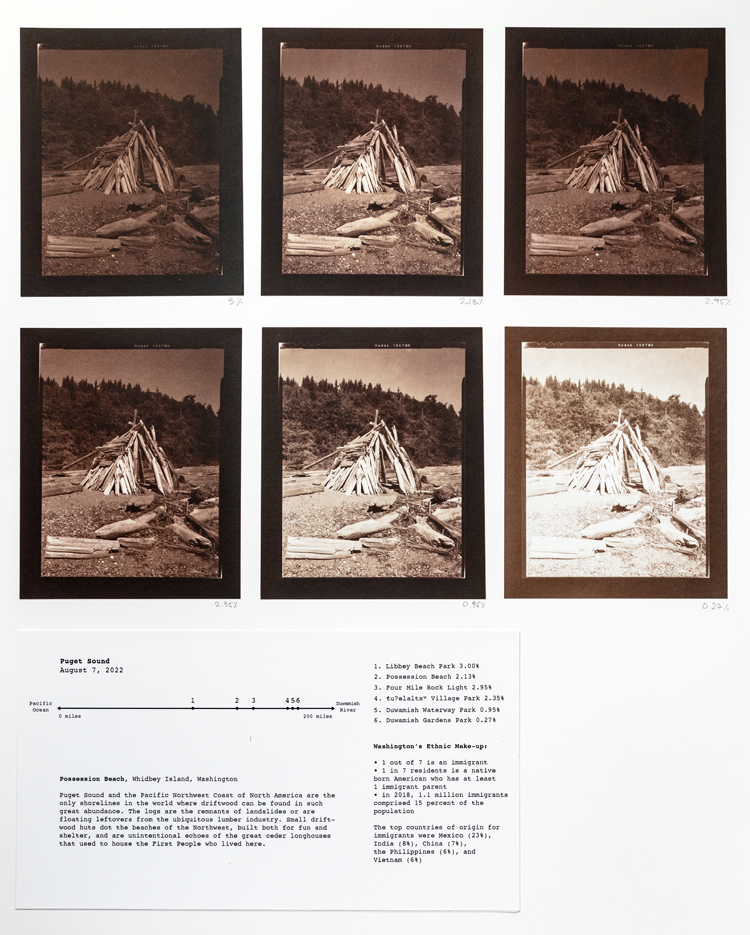
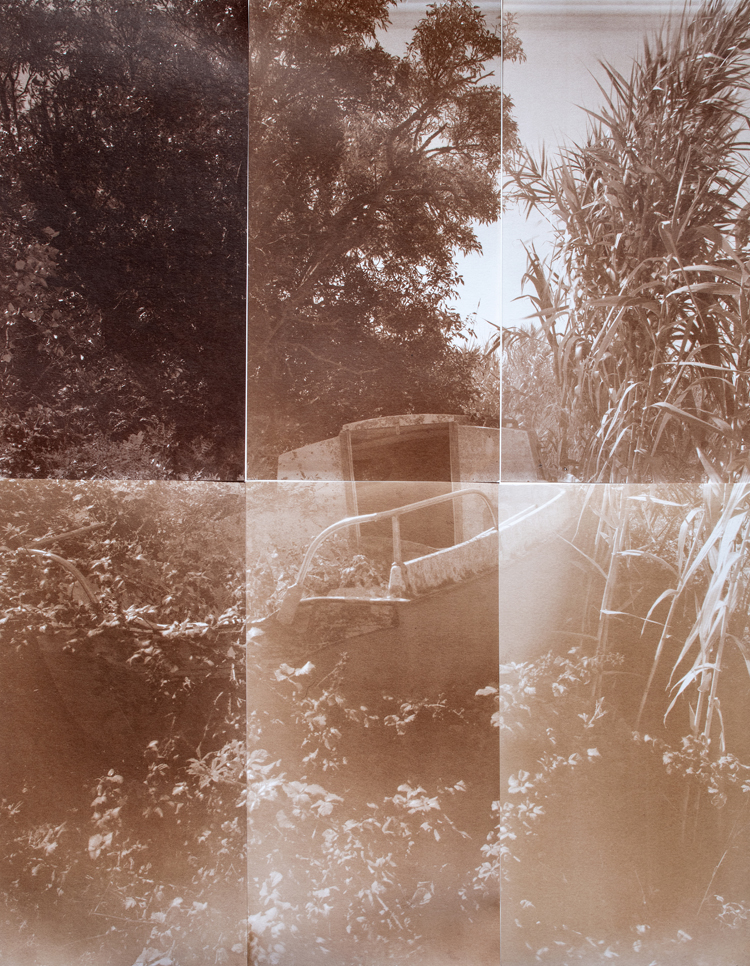
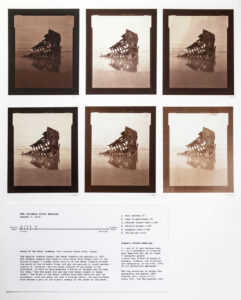
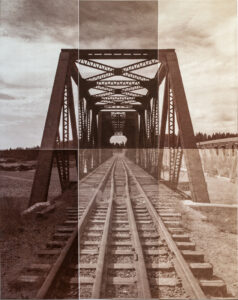
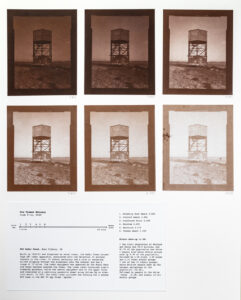
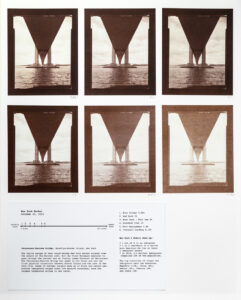
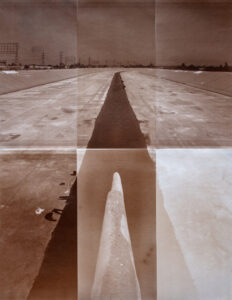
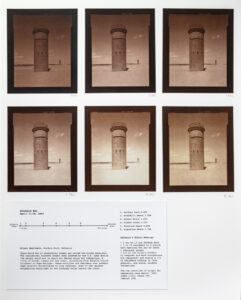
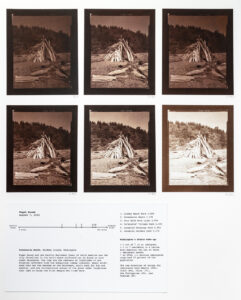
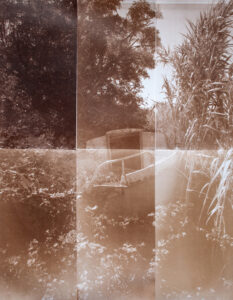
I mark this transformative state through the process of salt printing. Water collected from different points within an estuary is incorporated into each print, allowing variations in salinity to subtly influence the chemistry of the image. These shifts affect its tonal range, density, and clarity, embedding the estuary directly within the work. The landscape is present not only as a subject, but as a material component of the photograph itself.
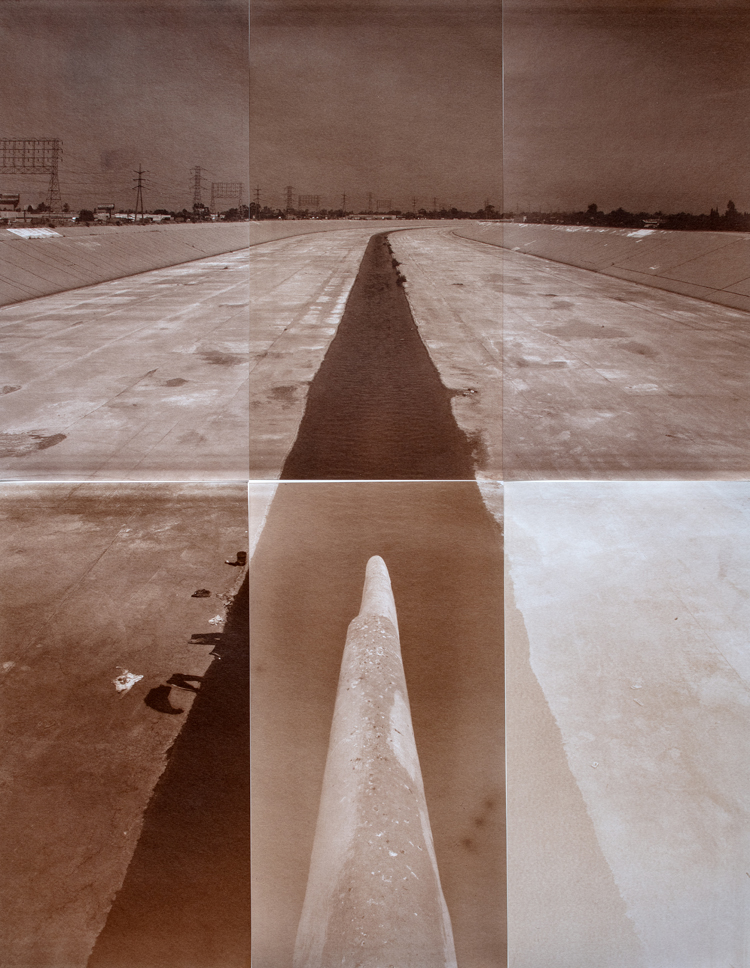
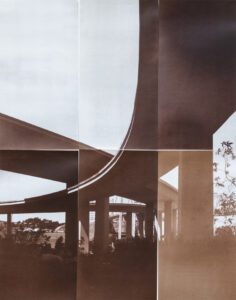
Like the estuary, the photographs depict scenes of encroachment and incongruous elements influenced by cultural cross-pollination. Historically significant places become ordinary, while introduced forms are absorbed into local landscapes. Foreign and indigenous histories converge within a single frame, where traces of conflict and collaboration coexist and boundaries become increasingly porous over time.
Salt Front approaches the estuary as both landscape and metaphor for contemporary experience. The project is a portrait of that brackish in-between—a place of transition and exchange.