Family photographs are supposed to prove something: that people belong to one another, that a room is safe, that love has a shape, that the pose can hold. My work begins with suspicion of that agreement.
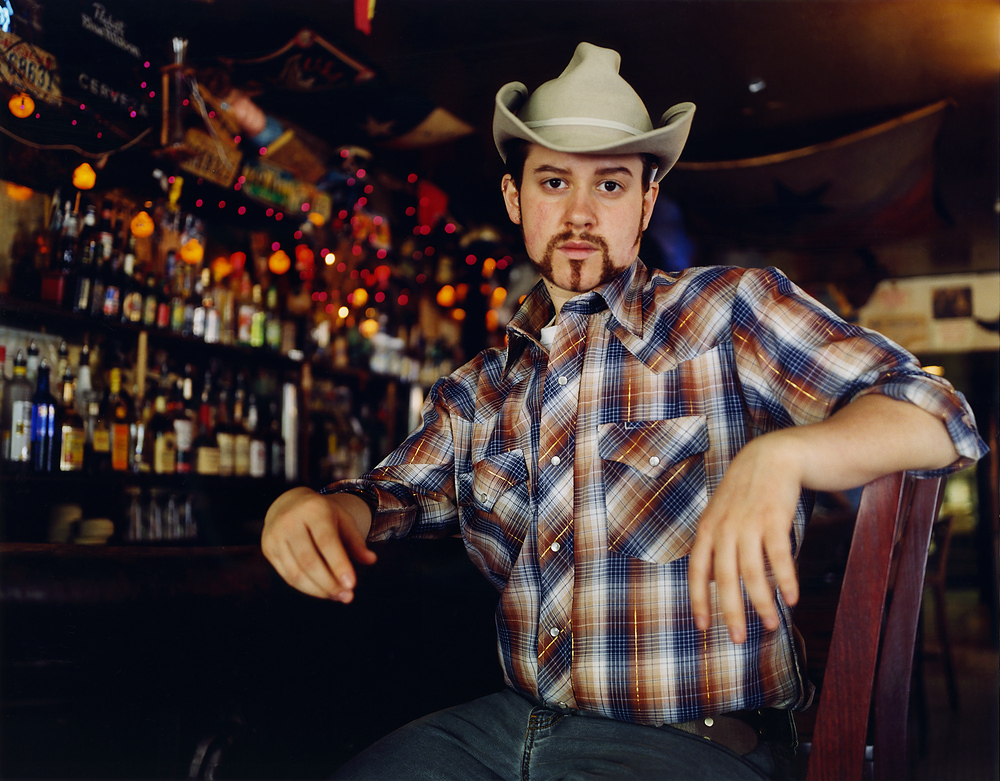
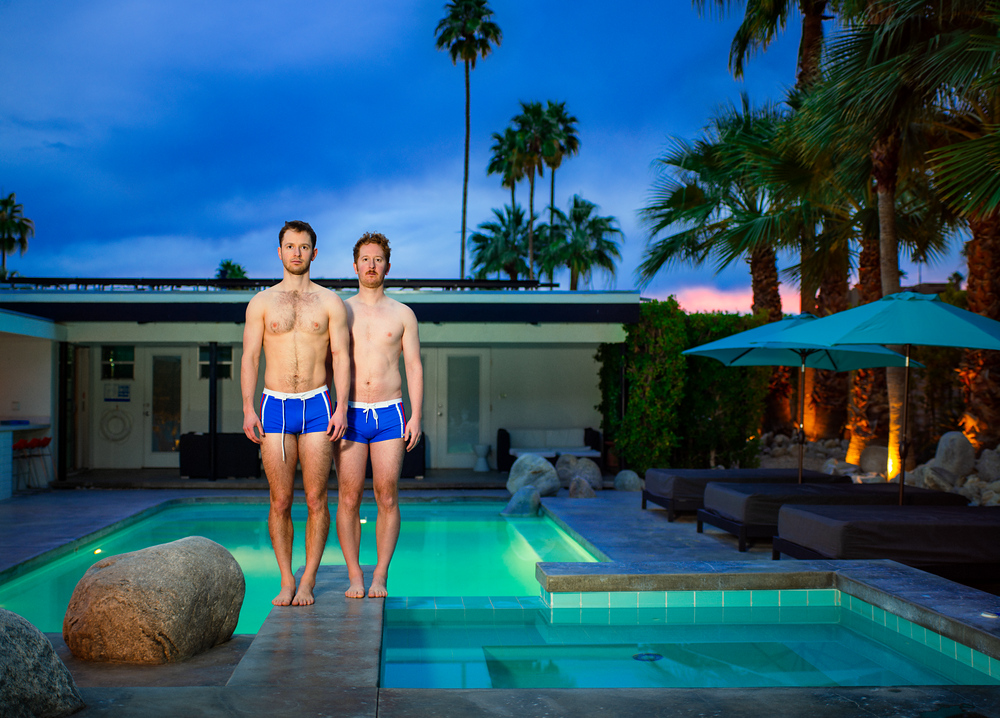
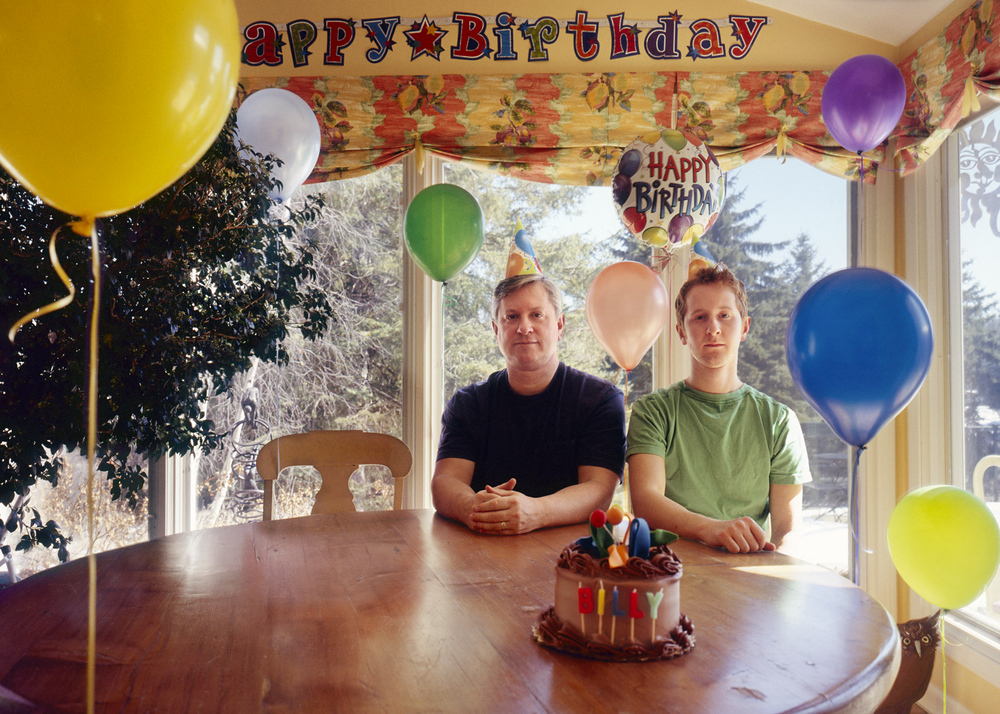
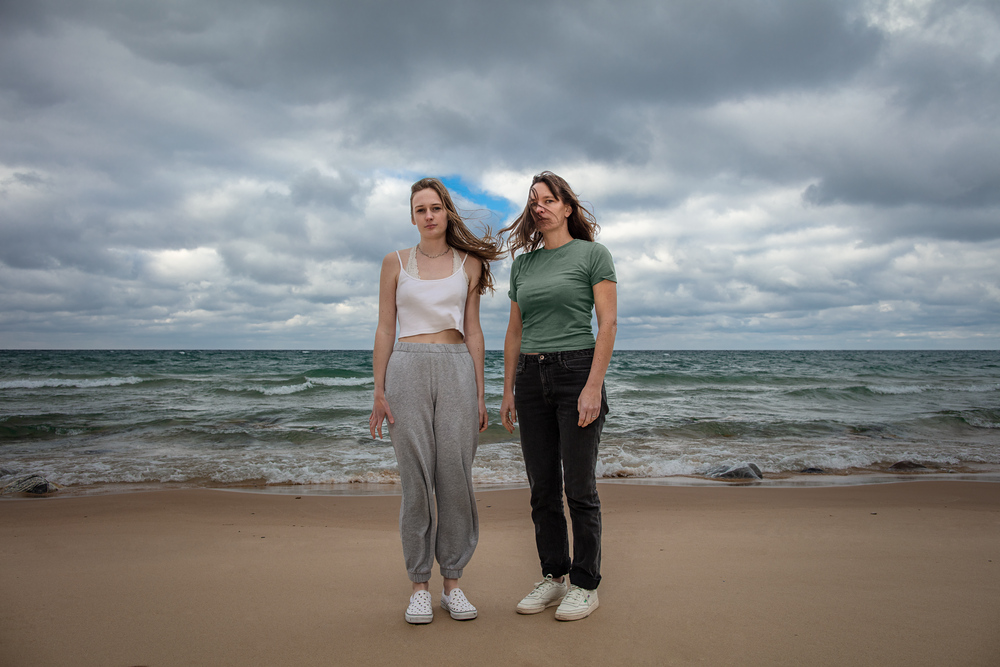
"Evidence & Fiction" uses constructed portraiture to treat the family photograph as evidence, fiction, and contract. Across two decades, the project moves through three kinds of family — the one I was born into, the one I entered through partnership, and the one made through chosen queer kinship.
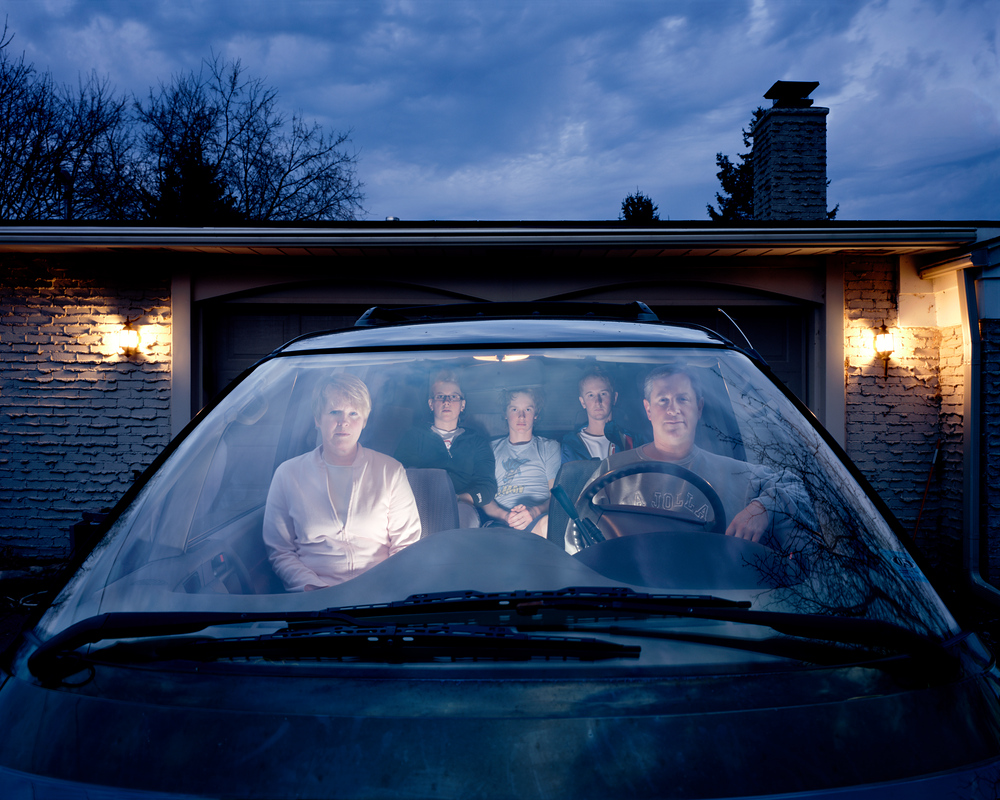
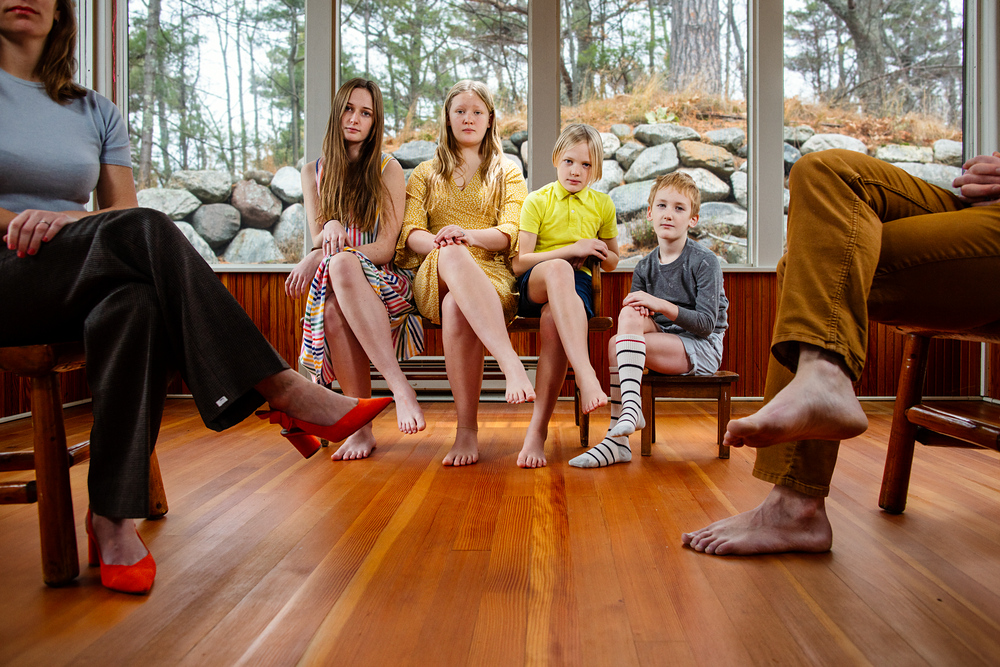
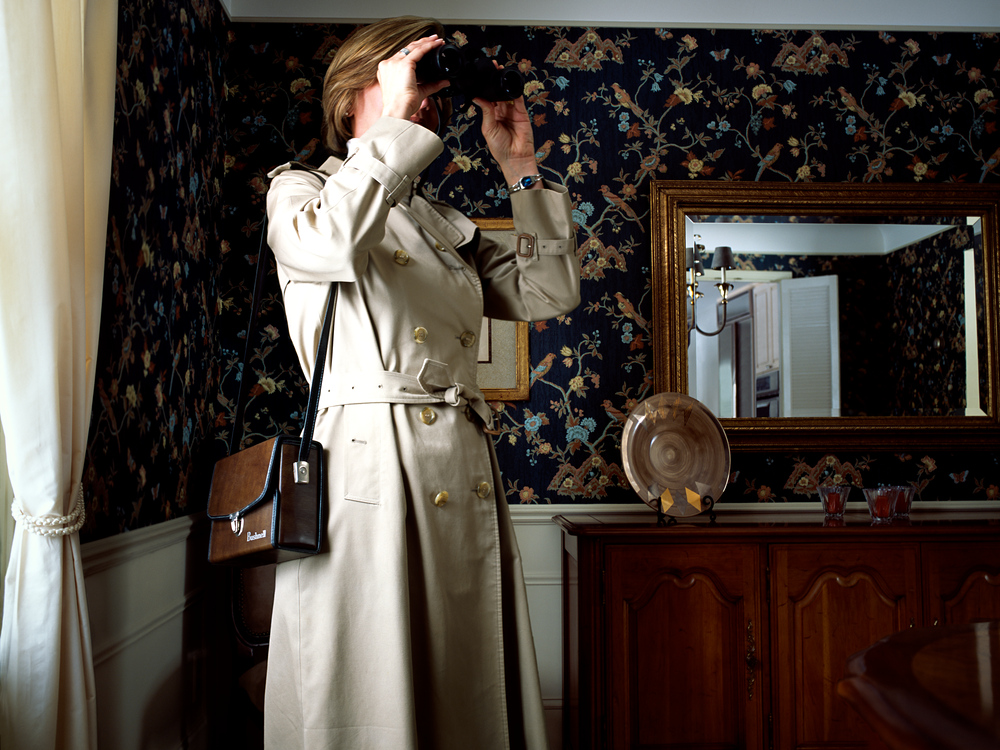
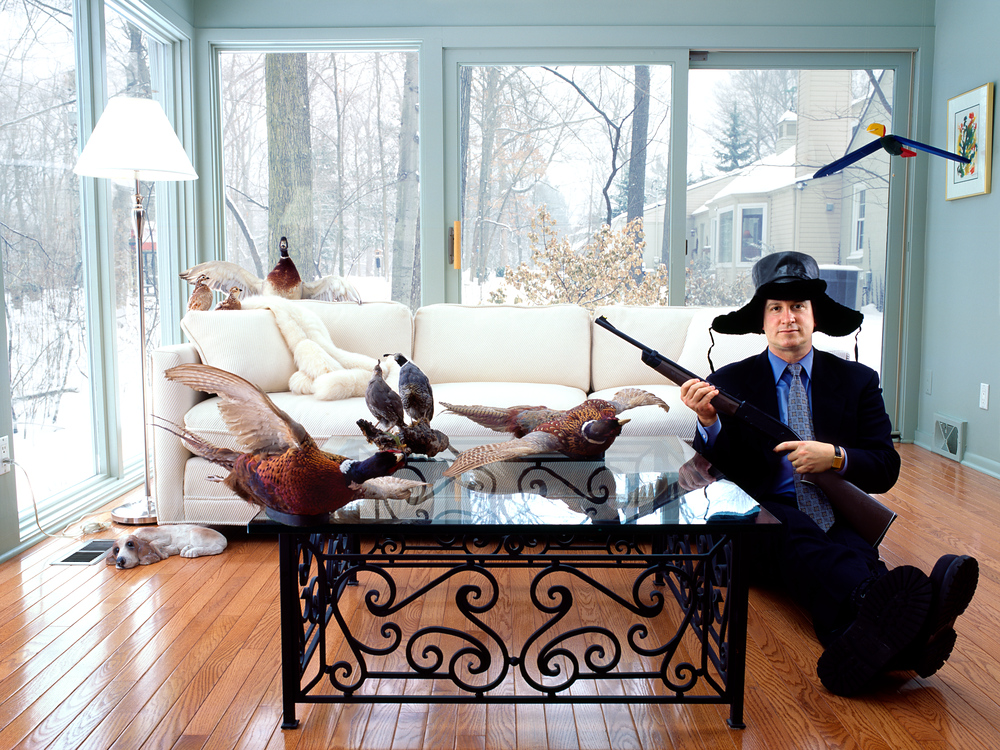
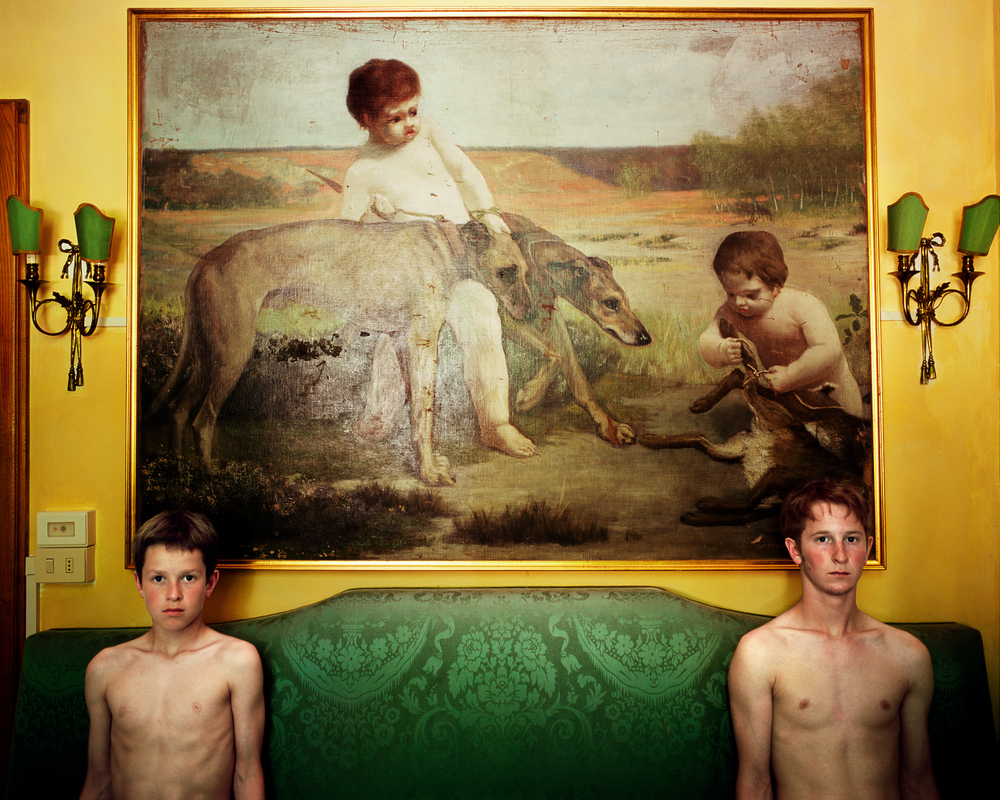
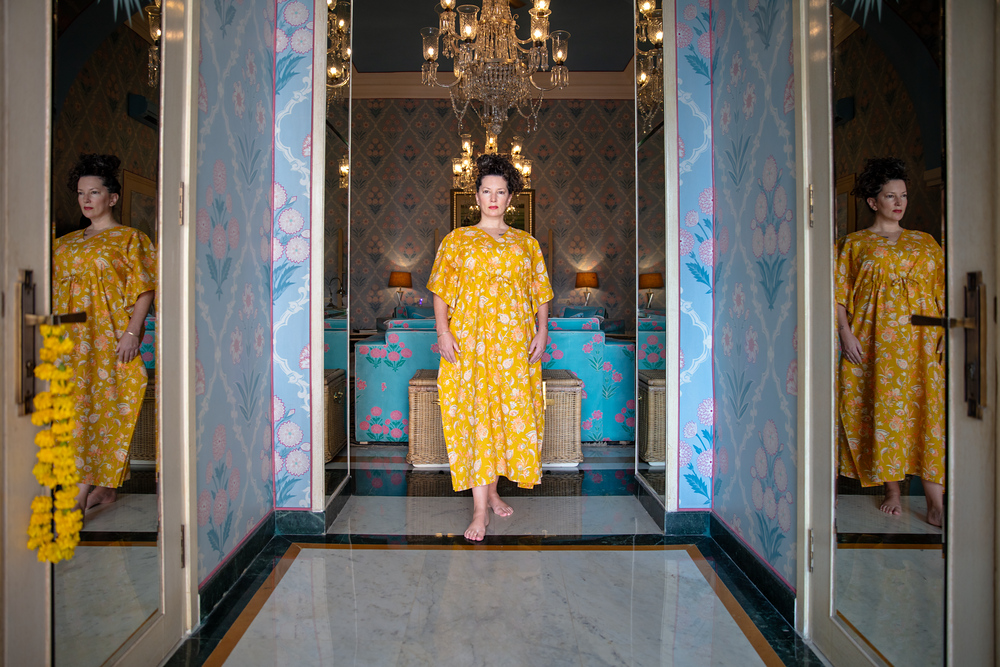
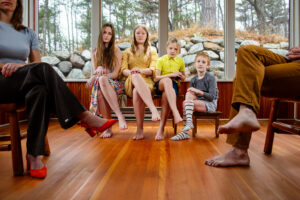
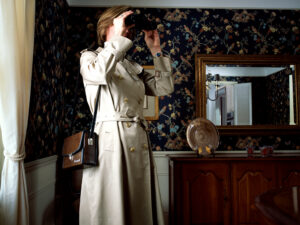
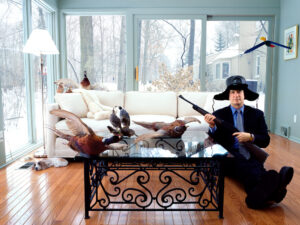
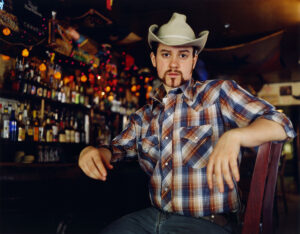
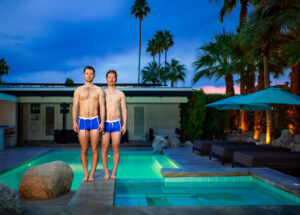
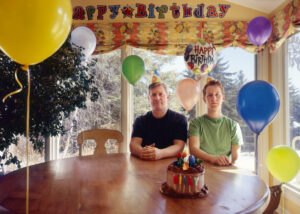
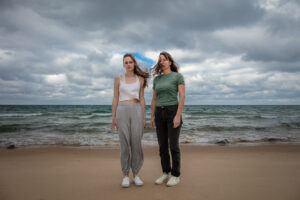
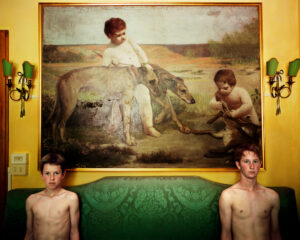
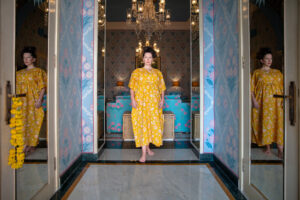
I stage portraits in cars, hotel rooms, dining rooms, backyards, and other spaces where family performs itself for the camera. The images are directed, performed, and composited from multiple frames of medium- and large-format film, but they borrow the authority of the family album: this happened, these people belong together, this is what love looks like.
That authority fails slowly. A pose is held too tightly. A room behaves like an inheritance. A face refuses the role assigned to it. Whiteness appears not as subject but as atmosphere — taste, order, safety, silence. Queerness enters not as rescue, but as another form of staging: a fiction with its own rituals, loyalties, exclusions, and tenderness. As a butch dyke, I am inside the room, outside the script — implicated in all of it, never fully absorbed.
Family is never simply found. It is arranged, desired, inherited, and performed. In sequence, the three families contaminate one another rather than resolve; the image becomes both evidence and cover story.