There is a particular choreography to a woman's domestic life. Everything has its place, its purpose, its correct position. For decades I have been its faithful practitioner – arranging, maintaining, holding it all together with the quiet competence that nobody notices until it stops.
Then menopause arrived. And with it, a magnificent, disorienting, frequently infuriating refusal to keep doing that.
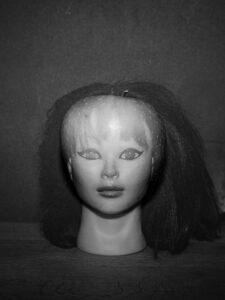
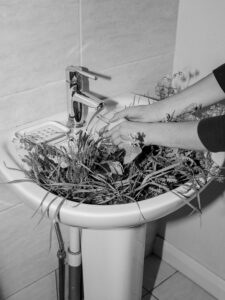
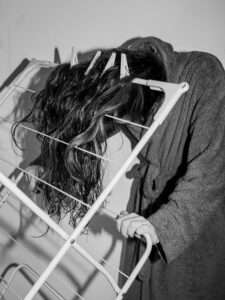
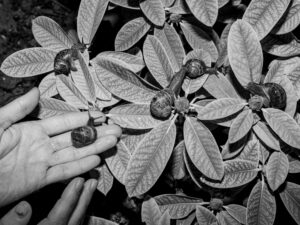
The Snail and the Mannequin was made in this moment, the children leaving, the body changing, the slow suffocation of suburban life finally becoming impossible to ignore. But the madness that comes from the overfamiliar is not the dramatic kind. It's the quiet kind that creeps in when you have looked at the same objects, in the same rooms, for twenty years. I have become so embedded in this life, so entangled in its roots and routines, that it’s hard to know where it ends and I begin. Like Sleeping Beauty, the place has grown over me.
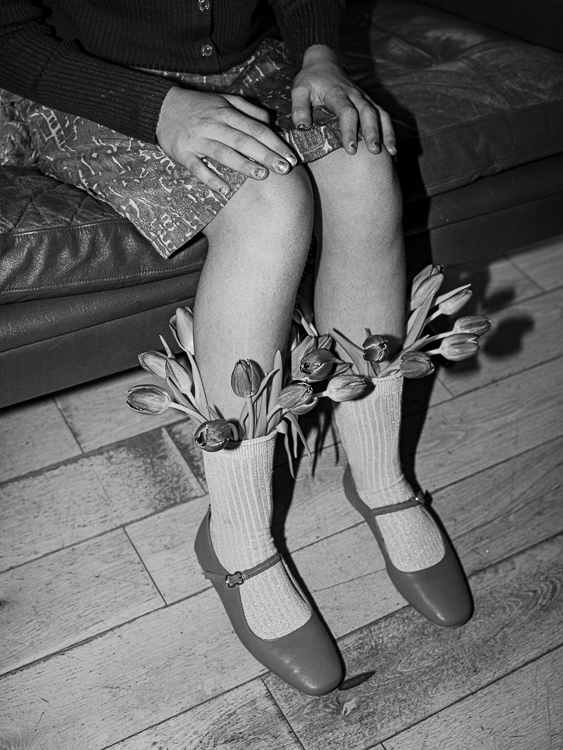
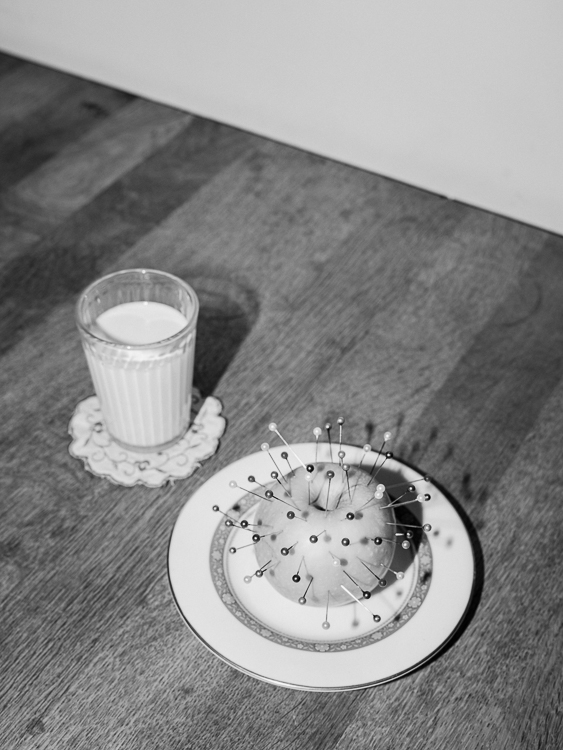
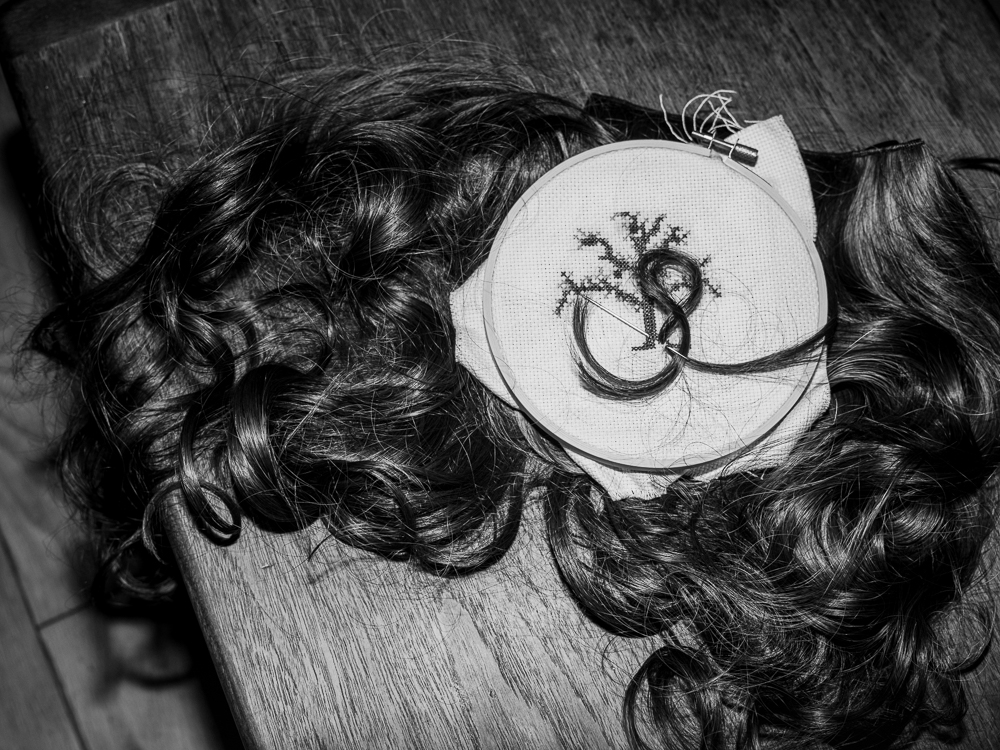
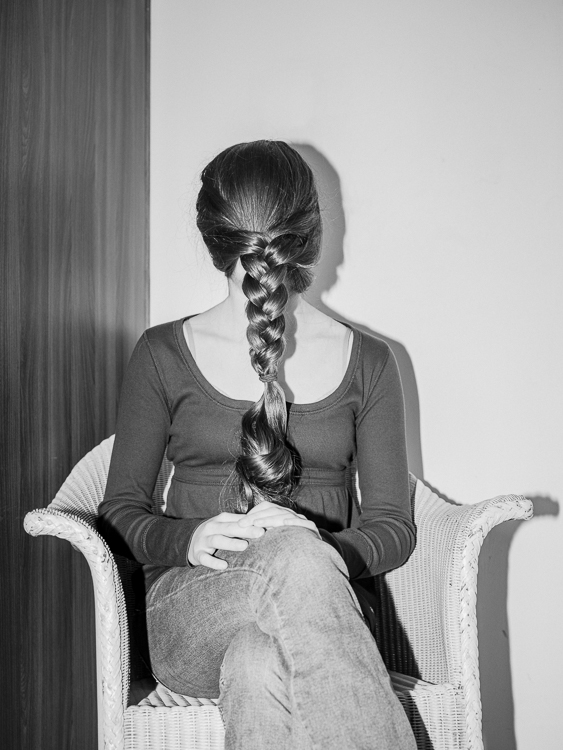
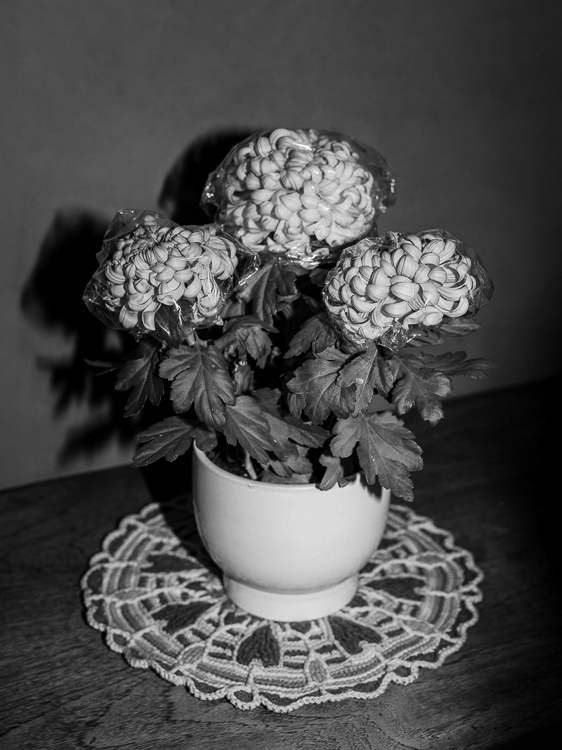
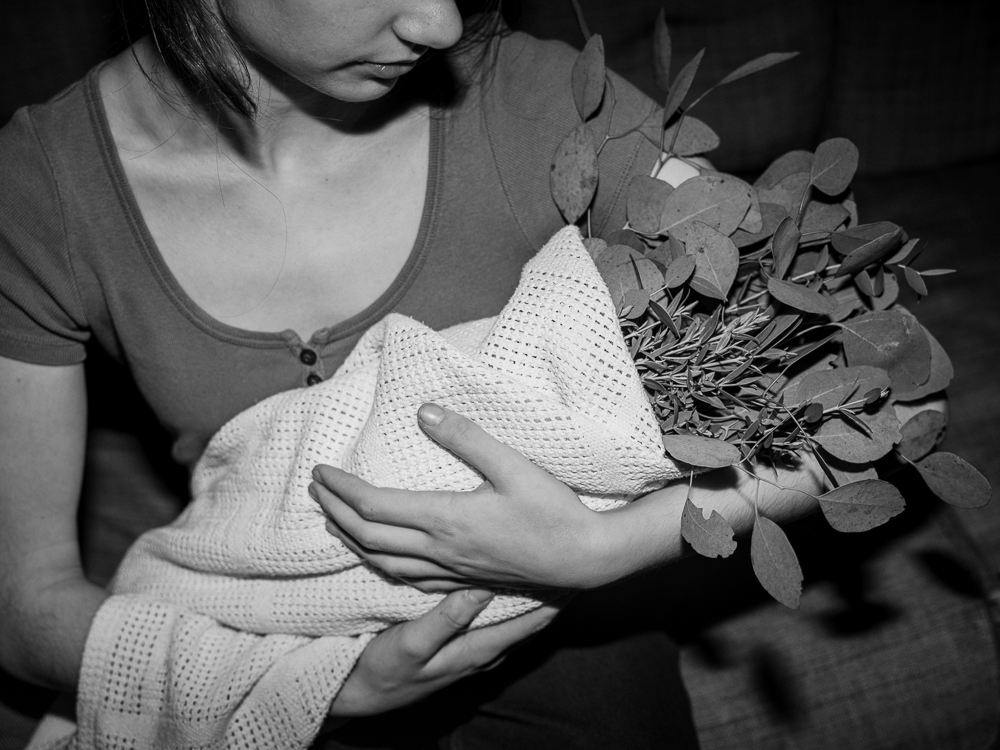
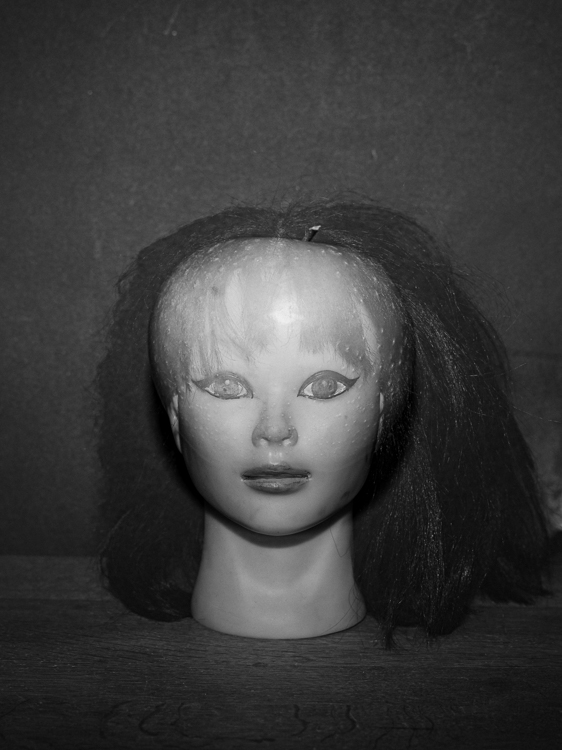
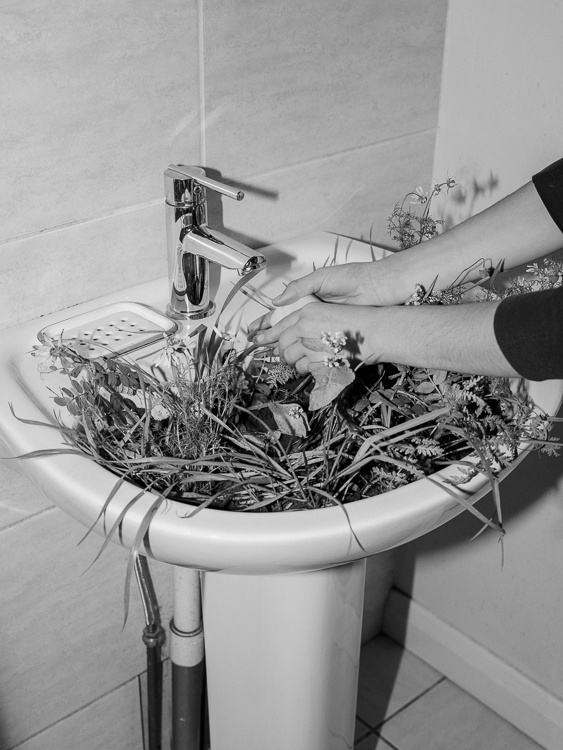
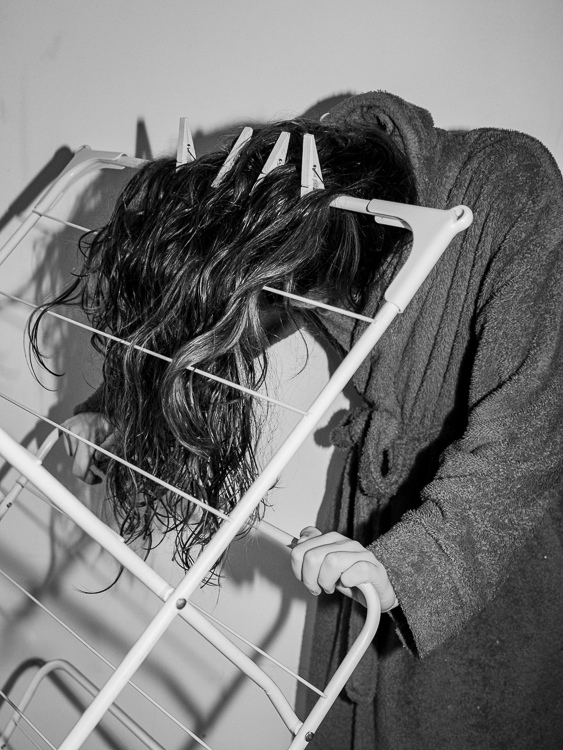
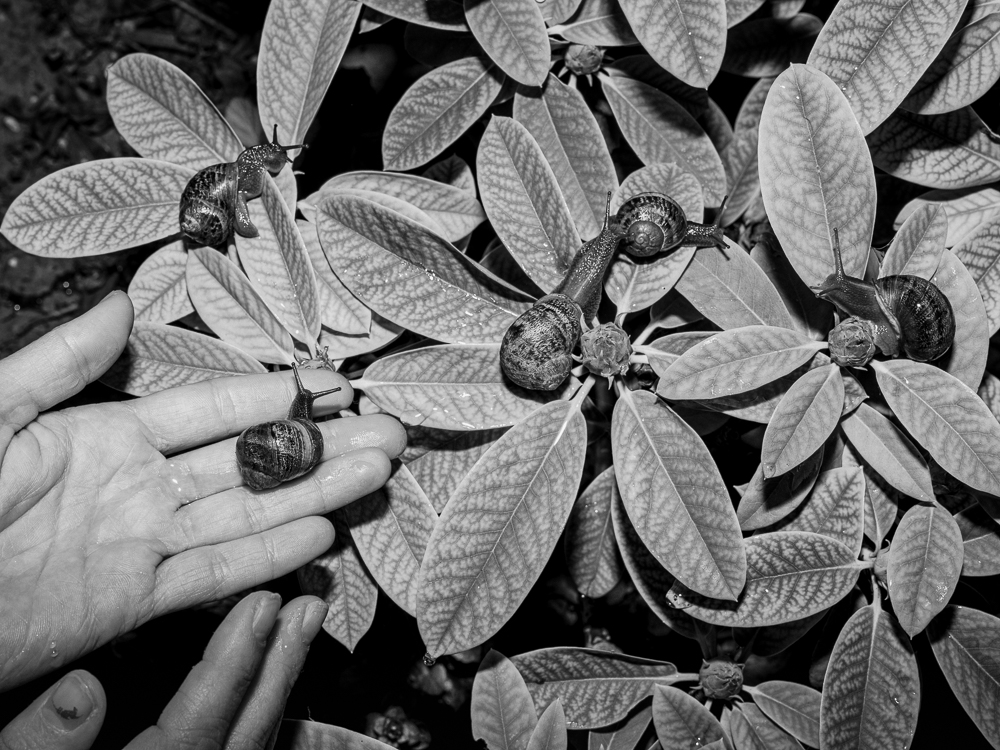
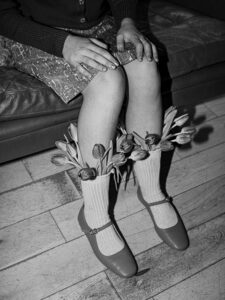
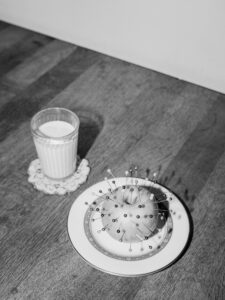
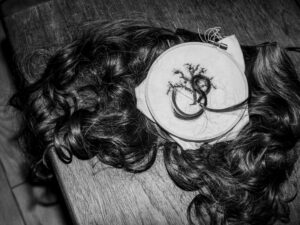
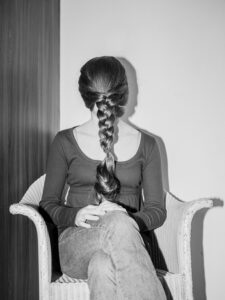
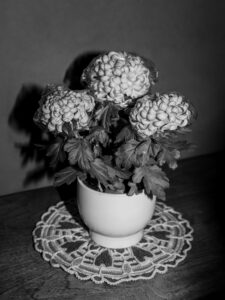
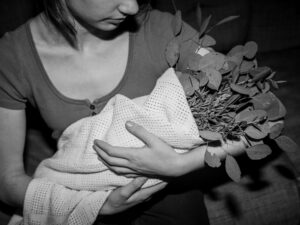
At some point the brain stops accepting what it sees at face value and starts whispering alternatives. Small, secret invitations to momentarily escape. These photographs are where that leads: staged scenes built room by room in the house I live in, an object nudged out of place until it all tips into strangeness. Each one suspended between playfulness and unease, a small act of sabotage in a parallel universe, where the rules don't apply and nobody is watching.
The rebellion is small. The escape is brief. But it is real, and it is mine.